
Selecting the right writing surface for your home office, corporate meeting room, or study space involves balancing aesthetics, durability, and budget. While the traditional whiteboard remains a familiar staple, modern alternatives like acrylic boards and tempered glass boards have grown in popularity. Each material offers distinct advantages in terms of visual appeal, ease of installation, and long-term wear. Choosing the right option depends on how frequently you write, the structural limits of your walls, and your willingness to perform regular maintenance.
Core Differences in Material and Installation
Acrylic boards are made from lightweight, synthetic polymers that offer a sleek, modern, and often frameless appearance. Because acrylic is significantly lighter than glass, it is much easier to mount on standard walls, often requiring only simple standoff screws or even heavy-duty adhesive strips for smaller sizes. This makes them highly suitable for temporary setups, rental properties, or lightweight partition walls where drilling deep holes is restricted.
Traditional whiteboards typically feature a painted steel, melamine, or porcelain surface backed by fiberboard and enclosed in an aluminum or wooden frame. Melamine boards are exceptionally light but require a frame to prevent warping and protect the edges from moisture. Porcelain-on-steel boards are heavier and more rigid, requiring standard wall anchors, but they offer a magnetic surface that adds functional versatility to classrooms and busy office environments.
Products mentioned in this guide
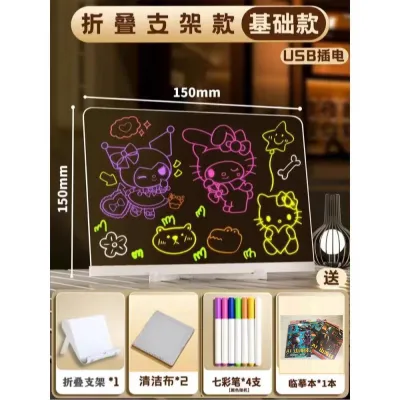
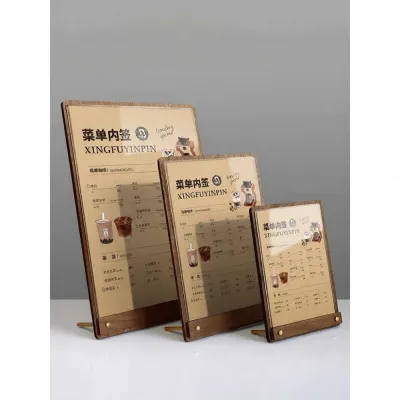
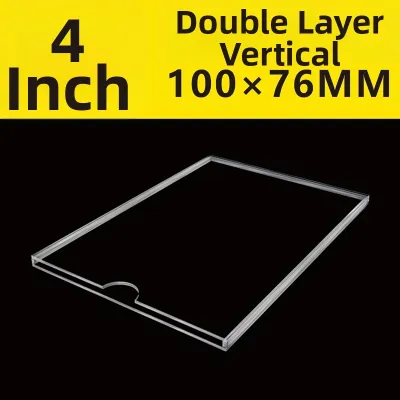
3 Lazada user ratings
Fast delivery. Good product.😍
Prices are valid at publication and may change. Please refer to the product page for the latest price.
Glass boards are constructed from heavy, tempered safety glass, presenting a premium, high-end aesthetic that complements modern interior designs. Due to their substantial weight, glass boards demand robust mounting hardware, such as heavy-duty metal standoffs anchored directly into wall studs or solid concrete walls. Attempting to mount a large glass board on standard drywall without proper structural support can lead to severe wall damage or safety hazards.
The choice between framed and frameless designs also impacts both safety and spatial planning. Framed whiteboards provide a clear visual border and protect the writing surface from edge chipping, but they can feel bulky in compact spaces. Frameless acrylic and glass boards offer a seamless, floating appearance that makes a room feel larger, though you must verify that the edges are professionally polished and rounded to prevent accidental cuts during handling or cleaning.
Writing Experience and Daily Maintenance
The quality of your daily writing experience depends heavily on how a board’s surface interacts with marker ink. Standard dry-erase markers with polyester or acrylic fiber tips glide smoothly across traditional whiteboards, leaving highly visible, quick-drying lines. On clear or frosted acrylic boards, however, standard black or blue dry-erase markers can sometimes appear faint or translucent, especially if the board is mounted against a light-colored wall.

To achieve high contrast on clear acrylic surfaces, you may need to use specialized liquid chalk markers or wet-erase markers, which require a slightly longer drying time to prevent smudging. Glass boards, particularly those with a white or colored backing, offer exceptional contrast and compatibility with almost all marker types, including standard dry-erase, wet-erase, and liquid chalk. The ultra-smooth, non-porous surface of tempered glass allows markers to glide with minimal friction, making it highly comfortable for extended brainstorming sessions.
Ghosting—the faint, leftover shadow of old writing—is a common frustration that varies significantly by material. Melamine whiteboards are relatively porous, meaning marker solvents can penetrate the surface over time, leading to permanent staining and ghosting if ink is left on the board for more than a few days. Porcelain whiteboards and tempered glass boards are completely non-porous, allowing you to wipe away months-old writing easily without leaving any residue or shadows.
Acrylic boards offer moderate resistance to ghosting, but they are highly sensitive to chemical cleaners. Using standard alcohol-based whiteboard sprays, glass cleaners, or abrasive paper towels on acrylic can cause micro-cracking, known as crazing, which permanently clouds the clear plastic. To maintain an acrylic board, you must use a soft microfiber cloth dampened with mild soap and water, or a cleaner specifically formulated for acrylic plastics. Glass and porcelain boards, by contrast, are highly resilient and can be cleaned with standard isopropyl alcohol or glass cleaners to remove stubborn ink residues.
Because erasability, drying speed, and writing smoothness depend on the exact combination of marker ink and board material, always perform a small trial test in an inconspicuous corner of your new board before writing extensively. This simple check helps prevent permanent staining and ensures your selected markers perform as expected.
Durability, Scratch Resistance, and Aging
Evaluating the long-term physical resilience of these materials requires looking closely at surface hardness and environmental tolerance. Acrylic is a relatively soft plastic, making it highly susceptible to surface scratches from rough eraser backings, dust particles, or accidental contact with sharp objects. Once scratched, the grooves in an acrylic board can trap marker pigment, making those areas difficult to clean and prone to permanent staining.
Glass boards offer the highest level of scratch resistance, easily withstanding daily wear, and cannot be scratched by standard cleaning tools or fingernails. Porcelain whiteboards also perform exceptionally well against scratches due to their ceramic-fired surface, whereas cheap melamine whiteboards scratch easily, quickly degrading their writing quality. Before purchasing, check the manufacturer’s material data sheets for surface hardness ratings or scratch-resistance guarantees to ensure the board matches your expected usage level.
Environmental factors like sunlight exposure can also cause certain materials to degrade over time. Standard acrylic boards that are not UV-stabilized can turn yellow, brittle, or cloudy when exposed to direct sunlight from nearby windows. If you plan to install your board in a sunlit room, verify that the product specifications include a UV-resistance rating or a warranty against yellowing. Glass and porcelain-coated boards are completely unaffected by UV radiation, maintaining their color and clarity indefinitely.
Impact safety is another critical consideration, particularly in high-traffic corridors, schools, or homes with young children. Acrylic is highly impact-resistant and virtually shatter-proof, meaning it will not break into dangerous shards if struck by a heavy object. Glass boards, while incredibly durable, must carry tempered safety glass certifications (such as EN 12150 or local equivalents) to ensure that if the board does break under extreme impact, it fractures into small, blunt pieces rather than sharp, hazardous shards.
Price Tiers and Hidden Installation Costs
Budget planning for a writing board should look beyond the initial retail price to account for installation and accessory costs. In the Singapore market, standard melamine whiteboards are the most economical option, with small to medium sizes typically ranging from S$20 to S$60. Porcelain whiteboards represent a mid-range investment, generally costing between S$80 and S$200 due to their steel backing and superior ceramic surface.
Acrylic boards occupy a wide price bracket, usually ranging from S$50 for small, thin panels to over S$180 for thicker, optical-grade sheets complete with stainless steel standoff hardware. Tempered glass boards sit firmly at the premium end of the market, with prices starting around S$120 for compact sizes and easily exceeding S$400 for large, architectural-grade installations. These premium glass models often require specialized magnetic accessories, as standard low-strength refrigerator magnets will not hold through the thickness of the glass.
Hidden installation expenses can significantly alter the final cost of heavy-duty boards. While you can easily mount a lightweight melamine or acrylic board yourself using basic household tools, installing a heavy glass board safely often requires professional assistance. In Singapore, professional wall-mounting services for large glass boards typically add an extra S$80 to S$150 to your total bill, depending on whether the wall is concrete, brick, or drywall.
To determine the true value of your purchase, calculate the expected cost-per-year rather than focusing solely on the upfront price. A cheap melamine board may need to be replaced every two years under daily office use due to staining and scratching, resulting in recurring costs and replacement hassle. Investing in a tempered glass or porcelain board, which can easily last over a decade with minimal maintenance, often proves more cost-effective over its lifespan.
How to Choose the Right Board for Your Space
To help you make a final decision, consider this quick-scan comparison of the three primary board materials based on observable specifications and typical use cases:
| Material | Best Use Case | Mounting Effort | Maintenance Level | Scratch Resistance |
|---|---|---|---|---|
| Melamine Whiteboard | Budget-friendly, light home use | Low (Lightweight, standard anchors) | High (Prone to ghosting, needs frequent deep cleaning) | Low (Scratches easily) |
| Porcelain Whiteboard | Heavy office use, magnetic needs | Moderate (Requires sturdy wall anchors) | Low (Resists ghosting, easy to clean) | High (Ceramic surface resists scratches) |
| Acrylic Board | Modern home offices, temporary setups | Low to Moderate (Lightweight, uses standoffs) | Moderate (Requires specialized non-chemical cleaners) | Low (Scratches easily) |
| Tempered Glass Board | Premium meeting rooms, long-term heavy use | High (Heavy, requires professional mounting) | Very Low (Zero ghosting, highly chemical resistant) | Very High (Extremely scratch-resistant) |
Choose an acrylic board if you want a sleek, modern, frameless look without the extreme weight of glass. It is ideal for home offices, study rooms, or rental spaces where you want a stylish writing surface that can be mounted easily with minimal wall damage. Ensure you use soft microfiber cloths and avoid alcohol-based sprays to keep the surface clear.
Choose a traditional whiteboard—specifically a porcelain-on-steel model—if your primary requirements are heavy daily writing, high visual contrast, and magnetic functionality. These boards are perfect for active classrooms, collaborative office spaces, and agile project management walls where durability and quick, effortless erasing are essential.
Choose a tempered glass board if you have the budget for a premium, long-term installation and want a surface that will never ghost, stain, or scratch. It is the ultimate choice for executive boardrooms, modern conference spaces, and high-end home studies where aesthetics and flawless performance are paramount. Always verify that your wall’s structural integrity can support the weight of the glass before purchasing, and budget for professional installation if mounting on drywall.
Community discussion
Share your experience or ask a question. Comments are reviewed before publication.