
Finding the right felt pen in Singapore requires balancing smooth ink delivery with the realities of local paper types and a humid tropical climate. Whether you are jotting down quick minutes in a high-pressure office meeting, organizing a detailed daily planner, or sketching out creative layouts in a personal journal, your writing instrument can transform your writing experience. The most suitable choice is not a one-size-fits-all tool, but rather a pen whose tip size, ink formulation, and barrel design align with your specific handwriting speed and paper choices.
By understanding how different fiber tips interact with paper fibers and how various ink bases behave under local conditions, you can curate a stationery collection that remains reliable day after day. This guide breaks down the essential technical specifications of felt-tip pens, categorizes them by their practical everyday applications, and provides actionable testing and maintenance strategies to ensure your writing instruments perform consistently.
How to Match Felt Pen Specifications to Your Writing Style
Selecting a writing instrument begins with understanding how its physical specifications match your natural hand movements. Felt pens, often referred to as fiber-tip pens or fineliners, utilize a compressed bundle of plastic or nylon fibers to channel ink onto the page. The shape and rigidity of this tip dictate the line width, the amount of friction you feel against the paper, and how quickly you can write without experiencing skipping or ink pooling.
Products mentioned in this guide
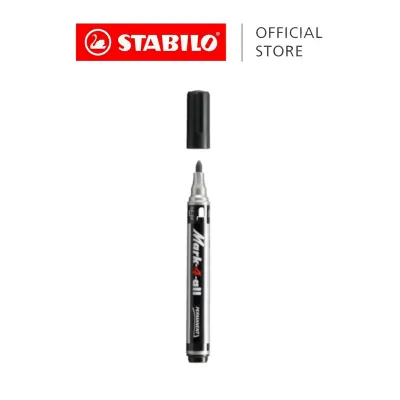
17 Lazada user ratings
Fine tip for precise writing, Smooth writing experience, Long-lasting ink, Long-lasting ink, Perfect for whiteboards
Ink Quality:Good Fast delivery and received within schedule. Nice to write on paper as well. Thanks to the seller.
Color Variety:Nice Fast delivery by the seller. Received in wrapped bubble envelope. Will buy again.
I bought black markers but it came blue. can you kindly assist to exchange? thanks
very fast delivery
Prices are valid at publication and may change. Please refer to the product page for the latest price.
Tip shapes generally fall into three categories: fine needle-like tips, rounded bullet tips, and flexible brush tips. Fine tips offer high precision and a consistent line width, making them excellent for structured, small-scale handwriting. Bullet tips provide a more forgiving angle of contact, allowing the pen to glide smoothly even when held at a steep or shallow slant. Brush tips respond dynamically to hand pressure, producing variable line weights that add character to headers and creative writing.
Ink formulation is the next critical specification to evaluate, as it directly influences drying time, color vibrancy, and bleed resistance. Water-based inks are highly common in felt pens, offering bright colors and smooth flow, though they can feather on low-grade paper and are susceptible to smudging if they encounter moisture. Pigment-based inks, often labeled as archival or document-proof, dry to a highly water-resistant finish and resist fading over time, making them a reliable choice for permanent journals and official records. Gel-hybrid felt inks combine the smoothness of gel with the rapid absorption of fiber tips, providing a balanced middle ground for everyday office tasks.
Smudge resistance and bleed-through are highly dependent on how these inks interact with your paper. When shopping, look for manufacturer labels indicating quick-drying or bleed-free properties, especially if you frequently write on thin notebook pages or standard copy paper. Left-handed writers should prioritize rapid-drying formulations to prevent their hands from smearing fresh ink as they move across the page.
Barrel ergonomics and grip design play a vital role in preventing hand fatigue during long writing sessions. A pen with a slightly textured or rubberized grip section prevents slipping, which is particularly helpful in Singapore’s warm, humid environment where hands can easily become damp. The weight distribution of the pen also matters; lightweight plastic barrels are excellent for rapid, effortless note-taking, while slightly heavier resin or metal-bodied pens offer a grounded, deliberate writing feel.
Felt Pen Categories for Different Note-Taking and Journaling Needs
Rather than searching for a single universal pen to handle every task, experienced writers often categorize their collection by tip design to suit different writing scenarios. A pen that excels at drawing precise lines in a compact pocket planner may feel scratchy or slow when you are trying to capture rapid-fire ideas during a brainstorming session. By matching the specific tip category to the task at hand, you optimize both your writing speed and the visual clarity of your notes.

Dividing your collection into fine tips, medium bullet tips, and flexible brush tips allows you to transition seamlessly between structured planning, rapid writing, and creative journaling. Each category offers distinct physical advantages and limitations that dictate how they perform on different paper surfaces and under varying writing pressures.
Fine and Extra-Fine Tips for Detailed Notes and Planners
Fine and extra-fine felt tips, typically ranging from 0.3mm to 0.5mm, are engineered for high-precision tasks where space is limited. These pens are highly favored by students and professionals who need to pack dense academic notes, formulas, or technical diagrams into tight margins. They are also a standard choice for compact daily planners and habit trackers, where writing must remain legible within small grid boxes.
When selecting a fine-tip pen, look for rigid fiber tips encased in a protective metal sleeve. This metal collar supports the delicate fiber core, preventing it from bending or splitting when you apply writing pressure. High-quality fine tips maintain their sharp profile over weeks of use, ensuring that your lines remain crisp and do not widen over time.
However, these ultra-precise tips come with specific physical limitations. Because the contact point with the paper is so small, they require a lighter hand; applying excessive pressure can indent the paper or force the fibers backward, clogging the ink flow. Additionally, fine tips can feel slightly scratchy on textured or toothy paper, as the narrow tip can catch on individual paper fibers rather than gliding over them.
Bullet and Medium Tips for Fast, Everyday Writing
For general note-taking, journaling, and rapid brainstorming, bullet and medium tips ranging from 0.6mm to 1.0mm offer a highly balanced writing experience. These pens feature a rounded, dome-shaped fiber tip that allows for a smooth, continuous flow of ink regardless of the angle at which you hold the pen. This design makes them incredibly forgiving for fast, cursive writing or quick shorthand during meetings.
The primary feature to look for in a medium felt pen is a tip that glides effortlessly without catching or skipping. The ink reservoir in these pens is designed to deliver a generous volume of ink to match the wider tip, resulting in bold, highly legible lines that stand out clearly on the page. This consistent flow makes writing feel fluid and reduces the physical strain on your hand during extended writing sessions.
The trade-off for this smooth performance is a higher likelihood of ink ghosting or bleeding through thin paper. Because medium tips lay down more ink, they require a slightly thicker paper stock, such as 80gsm or higher, to prevent the ink from showing through on the reverse side of the page. They are also less suited for extremely small handwriting, as the wider lines can cause letters like “e” and “a” to fill in and become illegible.
Brush and Flexible Tips for Expressive Journaling
Brush and flexible felt tips are designed for writers who view their journals and notebooks as creative canvases. These pens feature elongated, tapered tips made of flexible felt or individual synthetic fibers that bend and rebound in response to hand pressure. By varying the downward force, you can transition smoothly from hairline strokes to thick, dramatic lines with a single motion.
This dynamic line variation makes brush pens ideal for creating decorative headers, hand-lettering, and expressive bullet journal spreads. When evaluating these pens, look for tips described as resilient or possessing good bounce-back. A high-quality brush tip should instantly return to its original pointed shape after a heavy stroke, allowing you to maintain control over your lettering.
The primary limitation of brush tips is the learning curve associated with pressure control. Achieving consistent, elegant strokes requires practice and a steady hand, which may feel frustrating for beginners. Furthermore, aggressive use or writing on rough, textured paper can quickly fray the delicate tip fibers, permanently ruining the pen’s ability to produce clean, fine lines.
How to Test and Verify Pen Performance Before Buying
To avoid purchasing a pen that bleeds through your favorite notebook or feels uncomfortable in your hand, a systematic testing process is essential. If you are shopping in a physical stationery store in Singapore, take full advantage of the display testers provided. Begin by writing a few sentences at your normal writing speed to check the consistency of the ink flow; the pen should not skip or leave dry patches, nor should it pool ink at the end of a stroke.
Test the drying speed by running a finger gently across your writing immediately after lifting the pen. In Singapore’s humid climate, ink can take slightly longer to dry on coated papers, making a quick-drying test crucial for preventing smudges. Pay close attention to the grip comfort as well; hold the pen for a minute or two to ensure the barrel diameter feels natural and does not cause your hand muscles to tense up.
When purchasing online, where physical testing is impossible, rely on detailed manufacturer specifications rather than general user reviews. Look for explicit mentions of pigment ink, acid-free, or archival quality if you require long-term durability. Check the tip material specifications; metal-clad tips are generally more durable for online purchases where you cannot inspect the physical pen beforehand.
Paper compatibility is the final, often overlooked element of pen testing. The same felt pen can perform beautifully on a premium 100gsm journal but feather wildly on standard 80gsm office copy paper. If possible, bring a sample of your preferred notebook paper to the store to see how the ink behaves, checking specifically for ghosting (where the shadow of the writing is visible on the back of the page) and bleed-through (where the ink physically penetrates the paper fibers).
Where to Buy Felt Pens in Singapore and What to Expect in Pricing
Singapore boasts a vibrant stationery culture, offering numerous retail avenues for sourcing high-quality felt pens. For hands-on testing and immediate gratification, brick-and-mortar stationery chains, specialty bookshops, and lifestyle department stores are excellent options. These physical locations often feature dedicated pen testing stations where you can try various tip sizes and ink formulations on different paper samples before making a decision.
For those looking to buy in bulk, restock favorite colors, or access niche international brands, online marketplaces and official brand storefronts on local ecommerce platforms offer unparalleled convenience. Shopping online often allows you to purchase multi-packs or full color sets at competitive rates, though you should always verify that you are buying from official or highly rated sellers to ensure product authenticity.
In terms of pricing, felt pens in Singapore generally fall into three distinct tiers. Budget-friendly options, often sold in multi-packs or basic school supply sets, typically range from S$1.50 to S$3.00 per pen; these are excellent for high-volume, everyday note-taking where premium archival ink is not a priority. Mid-range pens, which include high-quality fineliners and standard bullet-tip pens with pigment-based inks, generally cost between S$3.50 and S$6.00 per pen. Premium options, such as professional-grade brush pens, refillable felt-tip systems, or imported designer stationery, can range from S$7.00 to S$15.00 or more per individual pen, offering superior durability, specialized tip materials, and lightfast inks.
How to Store and Maintain Felt Pens in a Tropical Climate
Singapore’s tropical climate, characterized by high relative humidity and consistent warmth, requires specific care to keep your felt pens in optimal working condition. The most critical maintenance habit is ensuring that your pens are capped tightly immediately after use. Listen for a distinct, audible click when replacing the cap; this sound indicates that the airtight seal has engaged, preventing the volatile solvents in the ink from evaporating and drying out the fiber tip.
Storage orientation also plays a significant role in extending the lifespan of your pens. Felt pens should ideally be stored horizontally rather than vertically. Storing them upright can cause gravity to pull the ink away from the tip, leading to dry, scratchy writing when you next use them; storing them tip-down can cause ink to pool in the cap, resulting in messy leaks. Horizontal storage keeps the ink reservoir evenly distributed along the barrel, ensuring immediate, consistent ink flow every time you write.
If you find that a felt pen has dried out slightly due to an improperly secured cap, you can often revive it using safe, reversible steps. For water-based pens, try dipping the very tip of the pen into a cup of clean, room-temperature water for two to three seconds, then capping it and letting it rest horizontally for an hour to allow the moisture to draw the remaining ink forward. If the pen uses pigment-based or permanent ink, this water method will not work; instead, gently scribble in circular motions on a scrap piece of paper to see if the friction and warmth can break up any dried ink blockages. If the tip remains dry or has begun to fray and split, it is time to discard the pen to prevent damage to your notebook pages.
Community discussion
Share your experience or ask a question. Comments are reviewed before publication.