
Selecting the right custom rubber stamps depends on how quickly you need to stamp, the level of detail your design requires, and the surface you are marking. Because self-inking, pre-inked, and traditional stamps utilize distinct mechanical designs, choosing the wrong type can lead to smudged impressions, clogged dies, or inefficient workflows. By understanding how these mechanisms interact with different inks and paper types, you can select a tool that integrates seamlessly into your daily routine.
As a direct guide, choose a self-inking stamp if you require rapid, repetitive stamping for high-volume administrative paperwork. Opt for a pre-inked stamp if your priority is achieving the sharpest, highest-resolution impressions for intricate logos or fine text. Select a traditional wood-handle stamp if you need an oversized design, plan to stamp on non-porous surfaces like plastic or glossy paper, or want the flexibility to switch between specialized ink formulations.
How the Three Custom Rubber Stamp Mechanisms Work
Self-Inking Stamps: The Spring-Loaded Workhorse
Self-inking stamps feature a built-in, replaceable ink pad housed within a plastic or metal frame. When the stamp is at rest, the custom rubber die sits face-up, pressed directly against the ink pad to keep it constantly saturated. When you press down on the handle, a spring-loaded mechanism flips the die 180 degrees, rotating it downward to strike the paper. This mechanical action is fast and self-contained, keeping the ink pad sealed inside to reduce the risk of accidental messes on your desk. However, the flipping mechanism does create a distinct clicking sound and a slight physical vibration with each impression.
Products mentioned in this guide
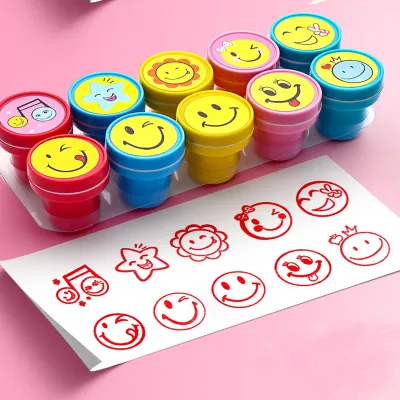
191 Lazada user ratings
Self-inking for convenience, Fun and educational stamps for young children. 🔧Durability: gd quality for the price. 📚Educational Value: the c…Read full reviewShow less
Self-inking for convenience, Fun and educational stamps for young children. 🔧Durability: gd quality for the price. 📚Educational Value: the child is excited to learn what he/she is praised for.
Built-in ink pad, easy to use and clean, various color options available, fun and colorful stamps, a great gift for teachers,
Unique Easter egg design, high-quality materials, suitable for classroom activities, fun and colorful stamps.
A great gift for parties, perfect for arts and crafts,
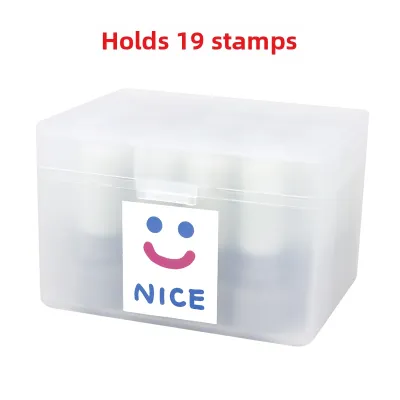


20 Lazada user ratings
Quality is just right for children to play stamping. Practice fine tuning motor skills. I do not what else to say but I’m adjust writing to …Read full reviewShow less
Quality is just right for children to play stamping. Practice fine tuning motor skills. I do not what else to say but I’m adjust writing to ful fill the criteria
Fast delivery and items received as per descriptions, well packed and thank you
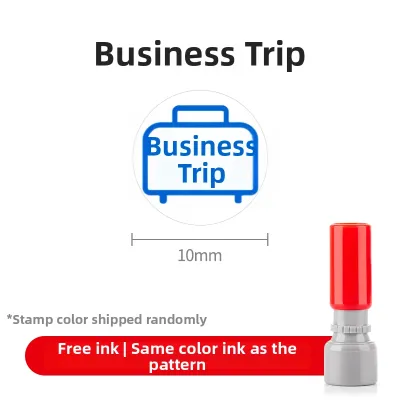
9 Lazada user ratings
Ok. Size is small… what I needed
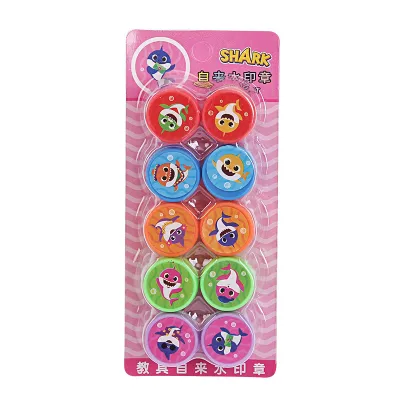
13 Lazada user ratings
Great for birthday party favors, Non-toxic for kids, good buy! Great value, 1 or 2 stamps may be dry but majority ok
Prices are valid at publication and may change. Please refer to the product page for the latest price.
Pre-Inked Stamps: The Micro-Porous Gel System
Pre-inked stamps do not use a separate ink pad or a flipping mechanism. Instead, the ink is suspended directly within the custom-engraved die itself, which is made of a porous gel or specialized rubber. When you apply downward pressure, the ink flows through microscopic channels in the die to transfer the image onto your paper. This design results in a quiet, smooth, and highly controlled stamping motion. Because there are no moving parts to rotate the die, pre-inked stamps are typically more compact than self-inking models, though they require a brief pause between stamps to allow the ink to flow back to the surface of the die.
Traditional Wood-Handle Stamps: The Classic Manual Mount
Traditional wood-handle stamps represent the classic, purely manual approach to stamping. The custom-cut rubber die is mounted onto a wooden or plastic block equipped with a handle. This design contains no internal ink source, meaning you must manually press the stamp onto an external ink pad before transferring the image to your target surface. While this manual step makes the process slower, it offers unmatched simplicity and flexibility. There are no mechanical casings to break, and you can easily switch between different ink pads to change colors or ink types.
Comparing Performance and Practicality
Impression Quality and Detail Resolution
Pre-inked stamps offer the highest level of detail and sharpness among the three types. Because the ink is released through micro-pores rather than stamped from a wet pad, it does not pool or bleed as easily on standard paper. This makes pre-inked models ideal for complex logos, fine lines, and small font sizes. Self-inking stamps provide reliable, standard-resolution impressions that are perfectly adequate for everyday office text, dates, and simple signatures. However, because the die is pressed against a wet pad, the ink can occasionally feather slightly on highly absorbent paper. Traditional stamps depend entirely on user technique; uneven manual pressure or an over-saturated external pad can result in smudged edges or faint spots.

Convenience, Portability, and Mess Prevention
Self-inking and pre-inked stamps are highly convenient because they are self-contained units. Pre-inked stamps often come with a snap-on bottom cap, making them exceptionally clean and portable for mobile professionals who need to carry stamps in a bag or pocket. Self-inking stamps are also clean, though their bulkier frames make them better suited for a permanent desk setup. Traditional stamps are the least portable because they require you to carry a separate, external ink pad. This increases the risk of accidental ink stains on your hands, clothing, or other documents. However, they are incredibly durable and virtually indestructible, as they have no internal springs or delicate plastic parts that can crack over time.
Maintenance and Ink Replenishment
Maintaining a self-inking stamp is straightforward. When the impressions begin to fade, you can slide out the ink cartridge to add a few drops of water-based ink or slide in a completely fresh replacement pad. This process is quick and keeps your hands clean. Pre-inked stamps require specialized, highly concentrated oil-based ink. To refill them, you must add drops of ink into designated ports beneath the handle or directly onto the die surface, then allow the stamp to sit upright undisturbed for several hours to let the gel absorb the liquid. Traditional stamps require almost no maintenance other than occasionally wiping the rubber die clean and replacing the external ink pad when it dries out.
| Feature | Self-Inking Stamps | Pre-Inked Stamps | Traditional Wood Stamps |
|---|---|---|---|
| Mechanism | Internal flipping die & pad | Ink-infused porous die | External ink pad required |
| Impression Sharpness | Moderate to high | Exceptionally sharp & crisp | Variable (depends on user pressure) |
| Best Ink Base | Water-based (standard) | Oil-based (highly concentrated) | Versatile (water, solvent, oil, pigment) |
| Portability | High (self-contained) | Excellent (compact with cap) | Moderate (requires separate pad) |
| Refill Process | Replace pad or add drops | Add drops to internal ports | Add ink to external pad |
| Maximum Size | Limited by casing dimensions | Limited by casing dimensions | Virtually unlimited |
| Expected Yield | Check manufacturer specs | Check manufacturer specs | Depends on external pad capacity |
Which Stamp Type Fits Your Specific Needs?
Choose Self-Inking for High-Volume Administrative Tasks
If your daily routine involves processing stack after stack of invoices, marking incoming mail, or signing off on shipping documents, a self-inking stamp is your best option. The rapid spring-loaded mechanism allows you to stamp dozens of pages in quick succession without pausing. It is the ultimate workhorse for busy office environments where speed and repetitive motion are the primary requirements.
Choose Pre-Inked for Detailed Logos and Professional Branding
When you need to stamp a highly detailed corporate logo, a professional notary seal, or fine text on high-end packaging, choose a pre-inked stamp. The crisp, bleed-resistant oil-based ink ensures that every fine line and small font remains legible. Its compact design also makes it a clean, professional addition to an executive desk or a mobile briefcase.
Choose Traditional Wood-Handle for Oversized Formats and Specialized Surfaces
Traditional wood-handle stamps are the correct choice if you need to stamp oversized surfaces, such as large cardboard shipping boxes, paper shopping bags, or architectural blueprints. Because they do not rely on a plastic casing, manufacturers can cut the rubber die to almost any size. Additionally, traditional stamps are essential if you need to stamp on non-porous surfaces like plastic, metal, glossy paper, fabric, or even skin. Because the stamp is independent of the ink source, you can pair it with specialized quick-drying solvent inks, fabric inks, or archival pigment inks. These specialized formulations would otherwise clog the micro-pores of a pre-inked stamp or degrade the internal pad of a self-inking model.
Customization Limits and Ordering Considerations
Size and Format Restrictions
Before placing an order for custom rubber stamps, measure your target stamping area carefully. Self-inking and pre-inked stamps are bound by the physical dimensions of their plastic housings. If your custom design exceeds these standard casing limits, you must opt for a traditional wood-mount stamp, which can be custom-cut to fit oversized layouts.
Font Size and Line Thickness
To prevent ink from filling in the negative spaces of your design, maintain a minimum font size (typically 8pt or larger) and avoid ultra-thin lines (keep lines at least 0.5pt thick). While pre-inked stamps can handle slightly finer details than self-inking or traditional rubber dies, verifying these design parameters with your custom stamp maker before production prevents blurry or unreadable results.
Ink and Surface Compatibility
Standard self-inking and pre-inked stamps use water-based or oil-based inks designed specifically for porous paper. If you try to stamp on glossy brochures, plastic packaging, or coated labels, the ink will smudge and fail to dry. Always perform an observable trial on a scrap piece of your target material. If the ink beads up or remains wet after several minutes, you will need a traditional stamp paired with a quick-drying solvent-based ink.
Die Material and Casing Durability
Custom dies are typically made of laser-engraved rubber or photopolymer gel. Rubber dies are highly durable and resist solvent-based inks, while photopolymer dies are excellent for water-based inks but can degrade if exposed to harsh chemicals. Ensure the casing material matches your environment—heavy-duty metal frames are ideal for industrial warehouses, while lightweight plastic casings are perfect for standard office desks.
Frequently Asked Questions (FAQ)
Can I mix ink types between self-inking and pre-inked stamps?
No, you should never mix ink formulations. Self-inking stamps typically use water-based inks, while pre-inked stamps rely on specialized oil-based inks. Mixing these formulas can cause the ink to coagulate, permanently clogging the micro-pores of a pre-inked stamp or destroying the pad of a self-inking stamp. Always check the manufacturer’s label and use the exact recommended refill ink.
How do I know when a pre-inked stamp needs re-inking?
You will observe clear visual cues when your pre-inked stamp is running low. The impressions will begin to fade, showing uneven ink transfer or lighter patches in the center of the design. To refill, follow the manufacturer’s instructions: typically, you remove the handle or top cap to reveal the ink ports, add a few drops of the designated oil-based ink, and allow the stamp to sit upright for several hours so the internal reservoir can fully absorb the liquid.
Are traditional wood stamps better for large formats?
Yes, traditional wood-handle stamps are the industry standard for large-format custom designs. Because they do not require a complex spring-loaded casing or a sealed ink chamber, manufacturers can mount large rubber dies onto sturdy wooden blocks of almost any size. This structural simplicity allows you to apply even, manual pressure across a wide surface area, making them highly effective for oversized logos, shipping marks, and industrial labeling.
Community discussion
Share your experience or ask a question. Comments are reviewed before publication.