
Removing a sticker from a card without leaving a sticky residue or tearing the underlying paper depends entirely on matching your removal method to the specific card material and adhesive type. While non-porous surfaces like laminated trading cards or plastic-coated postcards can withstand mild solvents and gentle heat, porous surfaces like raw cardstock or uncoated paper require a slow, dry, mechanical approach. Taking a systematic, patient approach ensures you preserve the card’s structural integrity, color, and finish.
Assess the Card Surface and Sticker Type
Before attempting any removal, you must evaluate the physical properties of both the card and the sticker. Card surfaces generally fall into two categories: porous and non-porous. Porous surfaces include uncoated paper, raw cardstock, and matte greeting cards. These materials lack a protective barrier, meaning the sticker’s adhesive has likely penetrated deep into the paper fibers. Any liquid solvent applied to uncoated cardstock will soak into the paper, causing swelling, warping, and permanent staining.
Non-porous surfaces feature a protective layer, such as a glossy or matte plastic lamination, a UV-cured coating, or a solid plastic base. This barrier prevents the adhesive from sinking into the paper core, making the card much more resilient to physical peeling and mild liquid cleaners. However, you must still inspect the card for delicate surface elements. Metallic foil stamping, raised embossing, and inkjet-printed details are highly vulnerable to lifting or smudging, even on coated surfaces.
Products mentioned in this guide
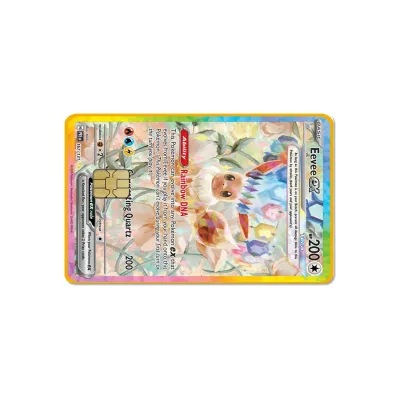
44 Lazada user ratings
⭐⭐⭐⭐⭐ Awesome experience! The item was just as described and really well done. The quality is impressive for what I paid. The seller was super c…Read full reviewShow less
⭐⭐⭐⭐⭐ Awesome experience! The item was just as described and really well done. The quality is impressive for what I paid. The seller was super clear and kept me in the loop the whole time. I'm really happy with this buy and would totally order from this seller again. Highly recommended!
super cute, super easy to stick, and lasts forever. this is my third purchase, and now I'm obsessed with these! I get so many compliments wh…Read full reviewShow less
super cute, super easy to stick, and lasts forever. this is my third purchase, and now I'm obsessed with these! I get so many compliments when people see them.
Way better than I expected. Just look at the product's protection and its quality. It has a raised effect that stands out.
⭐️⭐️⭐️⭐️⭐️ Great choice, unbeatable price, and a trustworthy seller. Very satisfied with my purchase!
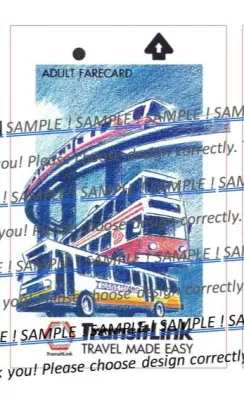
22 Lazada user ratings
came pre-cut to card size, sticker durable enough for second tries (had to carefully peel and reposition and it looks fine). pretty cute
Got it quick. Comes with one free which was a surprise. Quality is great. Bit of a matte surface. Nostalgic.
Not bad. Bit matte finish. Need some trial and error to get it to align properly. Got a free one also.
Design: nostalgic design of the 90s.
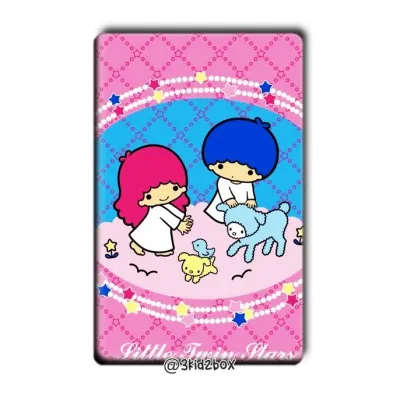
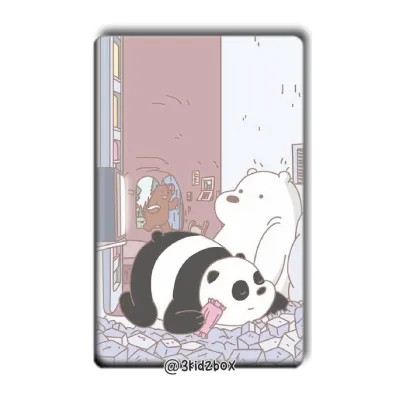
11 Lazada user ratings
Really cute sticker. Used it for my building access card. Cute designs, Affordable price, Durable material.
Really adorable design. Durable material, Fits perfectly,
Really good quality and cute :)
Cute designs, Durable material,
Cute designs, Fits perfectly,
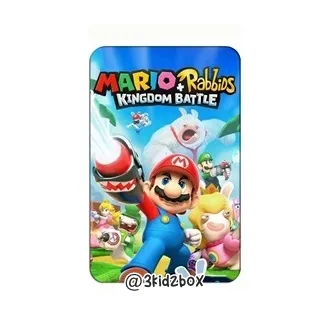
2 Lazada user ratings
fast delivery and received item with good condition, thanks seller.
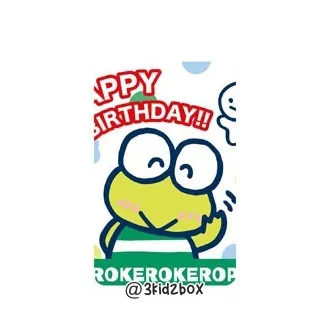
4 Lazada user ratings
the design i chose was out of stock, seller contacted me promptly to allow me to choose another design good service.
cute sticker design, fits my ezlink card
Prices are valid at publication and may change. Please refer to the product page for the latest price.
The sticker material itself also dictates your strategy. Paper-based stickers tend to tear easily, often leaving their bottom adhesive layer behind on the card. Vinyl, polyester, and foil stickers are sturdier and can often be peeled off in a single piece, but their stronger adhesives may require gentle heat to release their grip. In warm and highly humid climates, older adhesives can become exceptionally gummy or degrade into a sticky, stubborn residue, requiring extra care during the assessment phase.
Safe Peeling Techniques to Minimize Residue
The physical technique you use to peel the sticker is your first line of defense against surface damage. The most common mistake is pulling the sticker straight upward at a 90-degree angle. This vertical pulling force exerts maximum tension on the card’s surface fibers, almost guaranteeing a tear or delamination. Instead, employ the slow-peel method. Begin by using a clean fingernail or a flat plastic card tool to gently lift a single corner of the sticker. Once you have a small tab to grip, pull the sticker back slowly, keeping it parallel to the card surface at an angle of 180 degrees. This low-angle pull shears the adhesive horizontally, minimizing upward strain on the card.

For stubborn adhesives on heat-tolerant, non-porous cards, applying gentle, indirect heat can soften the glue. Use a household hairdryer set to its lowest, warmest setting. Hold the hairdryer at least 15 to 20 centimeters away from the card, directing the warm air toward the sticker for no more than five to ten seconds at a time. Before peeling, test the temperature of the card surface with your hand; it should feel warm, never hot. Excessive heat can warp plastic cards, melt laminated coatings, or cause the cardstock to curl permanently. Never use heat on thermal paper cards, such as certain event tickets, as heat will instantly turn the entire surface black.
Throughout the peeling process, you must remain highly sensitive to immediate stop signals. If you feel sudden resistance, see the card surface lifting, notice print transferring onto the back of the sticker, or observe the paper layers beginning to split, stop immediately. Forcing a stubborn sticker past these warning signs will result in irreversible physical damage to the card.
How to Clean Leftover Adhesive Safely
If the sticker comes off but leaves a tacky layer behind, you must select a cleaning method that matches the card’s coating. For light residue on both porous and non-porous cards, start with dry, mechanical removal. A clean, soft vinyl eraser or a dedicated art gum eraser can gently roll the adhesive away. Work in one direction with very light pressure, checking the card surface after every few strokes. Alternatively, you can use a clean microfiber cloth or even the clean pad of your finger to gently rub the residue into small balls that can be brushed away. Avoid using rough paper towels or abrasive scrubbing pads, which can easily scratch glossy laminations or scuff uncoated paper.
For stubborn, gummy residue on fully laminated or plastic cards, a mild solvent-based approach is highly effective. Isopropyl alcohol or a specialized, mild adhesive remover can dissolve the sticky bonds. Moisten the tip of a cotton swab with the liquid—never pour or spray any liquid directly onto the card. The swab should be damp, not dripping. Gently dab the sticky area, allowing the solvent to sit for a few seconds to soften the residue, then wipe it away with a clean, dry microfiber cloth.
Before applying any solvent, a mandatory patch test is essential to prevent widespread damage. Find an inconspicuous area of the card, such as a tiny corner on the back or along a dark border. Touch the damp cotton swab to this spot and wait a few seconds. Check the swab for any ink transfer and inspect the card surface for color lifting, smudging, or cloudiness in the glossy finish. If you observe any change, do not proceed with the solvent.
Under no circumstances should you use harsh chemical solvents like acetone, nail polish remover, paint thinner, or bleach. Acetone will instantly dissolve plastic cards, strip away UV coatings, and liquefy printing inks, leaving a ruined, smeared surface.
Post-Removal Care and Knowing When to Stop
Once the adhesive is completely gone, use a dry, clean microfiber cloth to wipe away any remaining solvent or loosened particles. If you used a liquid cleaner, allow the card to air dry completely in a well-ventilated room before placing it back into a protective sleeve, binder, or storage box. Trapping moisture or solvent vapors inside a plastic sleeve can cause the card to warp, discolor, or stick to the sleeve over time.
If the cleaning process has left minor scuffs or a slight cloudiness on a laminated surface, you can sometimes restore the shine using a clean, dry microfiber cloth. Rub the affected area in gentle, circular motions to buff out light surface imperfections. Do not use liquid polishes or abrasive compounds, as these can strip the protective lamination entirely.
Ultimately, you must establish a clear boundary for when to stop. If the card is rare, highly valuable, historically significant, or structurally fragile, the risks of DIY sticker removal far outweigh the benefits. For collectible trading cards, vintage postcards, or antique paper ephemera, even a tiny mistake can erase a significant portion of the item’s value. In these cases, it is best to leave the sticker intact or consult a professional paper conservator who has specialized tools and chemical knowledge to safely preserve the item.
Frequently Asked Questions (FAQ)
Can I use cooking oil or peanut butter to remove sticker residue from cards?
Using household oils, such as cooking oil or peanut butter, is highly risky and generally not recommended for paper-based cards. While the lipids in oils are excellent at breaking down sticky adhesives, they will easily soak into any porous or uncoated paper fibers. This leaves permanent, translucent grease stains that are virtually impossible to remove and will ruin the card’s appearance. You should restrict oil-based methods exclusively to fully sealed, non-porous plastic cards. If you do use oil on a plastic card, follow it immediately with a mild, soapy wipe and a dry cloth to remove all greasy residue and prevent slipperiness.
Will removing a sticker devalue a collectible or trading card?
Yes, attempting to remove a sticker from a collectible or trading card carries a high risk of devaluing the item. Professional grading companies look for pristine surface conditions, and any sign of adhesive residue, surface scratching, color fading, or paper thinning will drastically lower the card’s grade and market value. Even successful removals can leave microscopic traces of adhesive or alter the original surface gloss under magnification. For rare, vintage, or high-value cards, collectors generally recommend leaving original price tags, vintage shop labels, or promotional stickers intact, as they form part of the card’s history and pose a lower risk to its overall value than a failed removal attempt.

Community discussion
Share your experience or ask a question. Comments are reviewed before publication.