
Painting on rocks can be a frustrating experience when the rough, porous surface drinks up your ink, causes your marker tips to fray, or results in patchy, bleeding designs that smudge the moment you touch them. Achieving vibrant, professional-grade rock art with Posca markers requires a systematic approach: selecting smooth, non-porous stones, thoroughly cleaning and drying the surface, priming when necessary, applying the water-based acrylic paint in controlled, layered coats, and sealing the finished design with a compatible clear topcoat. By mastering these preparation, application, and preservation steps, you can transform ordinary stones into durable, striking pieces of art that withstand handling and environmental exposure.
How should you select and prepare the rock surface before painting?
To ensure your paint adheres properly and your marker tips remain intact, you must choose smooth, low-porosity stones and clean them thoroughly to remove all surface contaminants.
Look for river stones, smooth basalt, or flat beach pebbles. Avoid highly textured, jagged, or extremely porous rocks like sandstone or pumice, which can shred the polyester fiber nibs of your markers and absorb excessive paint. Smooth stones allow the marker tip to glide effortlessly, ensuring clean lines and consistent ink flow.
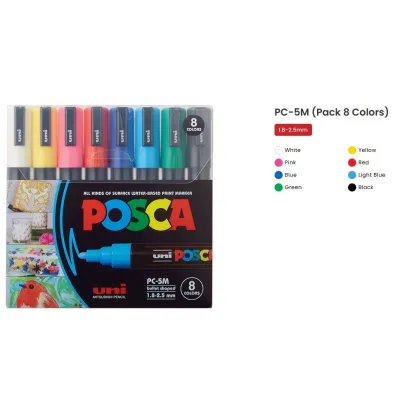
Products mentioned in this guide
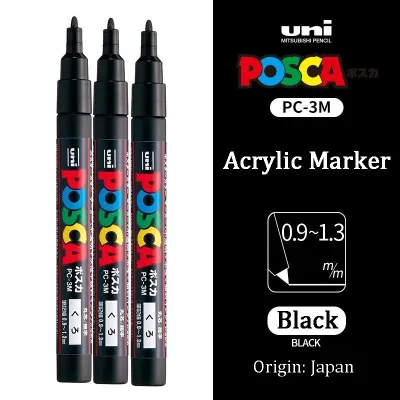
21 Lazada user ratings
The shipping was quick, and the customer service was really nice and patient. The pen writes clearly, feels great in hand, and the writing e…Read full reviewShow less
The shipping was quick, and the customer service was really nice and patient. The pen writes clearly, feels great in hand, and the writing experience is super smooth. I would definitely buy it again.
bought 5 markers. the items are packed very nicely and very securely(bubble wrap in box). i received a small free gift too, thank you so muc…Read full reviewShow less
bought 5 markers. the items are packed very nicely and very securely(bubble wrap in box). i received a small free gift too, thank you so much!
Durability:seems good Color Variety:good Ink Quality:good, can write on well as ink flows smoothly
I got the product, and it's really useful. I'll definitely come back for more next time!
It's alright! You get what you pay for! Just for the kids to doodle and pass the time!

2 Lazada user ratings
Item received in good condition. Delivery was good. Overall nice.
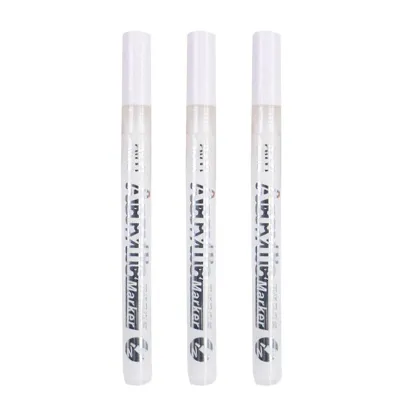
92 Lazada user ratings
Suitable for art projects on canvas, stone materials, metal, ceramics, and glass. Features vibrant, sharp colors and smooth acrylic pens wit…Read full reviewShow less
Suitable for art projects on canvas, stone materials, metal, ceramics, and glass. Features vibrant, sharp colors and smooth acrylic pens with easy-to-control flow—perfect for DIY crafting projects.
Ships from overseas take a long time; the price is affordable—definitely worth it. Haven’t even gotten around to using it yet. Message from …Read full reviewShow less
Ships from overseas take a long time; the price is affordable—definitely worth it. Haven’t even gotten around to using it yet. Message from Thailand.
I’ve received the product. It took a bit longer than expected for delivery. The pen works well, but the lines are a bit too thick when I use…Read full reviewShow less
I’ve received the product. It took a bit longer than expected for delivery. The pen works well, but the lines are a bit too thick when I use it.
Received in about 10 days time. Item was well packed with no damage to it's a good price and I would recommend.
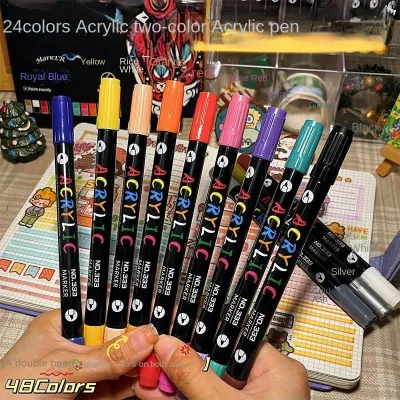
27 Lazada user ratings
received in super messy state. the plastic case is damaged and the colours are super messy and 1 of the orange is broken, and there are few …Read full reviewShow less
received in super messy state. the plastic case is damaged and the colours are super messy and 1 of the orange is broken, and there are few repeated colours. lucky my teenage girl is able to accept it otherwise I'll have to go thru the trouble to return. for ocd ppl like me I had to rearrange all the colours.
Durability: Very durable, Color Variety: great Ink Quality: opaque and smooth Great for creative projects, High color intensity, Had a group…Read full reviewShow less
Durability: Very durable, Color Variety: great Ink Quality: opaque and smooth Great for creative projects, High color intensity, Had a group of children test the quality and their works turned out smooth and effortless
Very durable, So many colors!, Rich ink color, Perfect for DIY and crafts, Non-toxic and safe to use, Bought similar ones and am trying diff…Read full reviewShow less
Very durable, So many colors!, Rich ink color, Perfect for DIY and crafts, Non-toxic and safe to use, Bought similar ones and am trying different brands to compare. Great price! Thanks seller!
Well received. Hopefully it's good to use and long lasting. Both ends are with sharp tips.
Ideal for calligraphy, High color intensity, Ink Quality:High-quality
Prices are valid at publication and may change. Please refer to the product page for the latest price.
Wash the rocks in a bucket of warm water mixed with a mild, grease-cutting dish soap. Use a stiff-bristled brush or an old toothbrush to scrub away embedded dirt, mud, moss, and natural oils. Rinse the stones thoroughly under clean running water to remove any soapy residue, which can prevent the acrylic paint from bonding to the stone.
Let the rocks dry completely. Moisture trapped inside the pores of the stone can seep outward over time, causing the paint layer to bubble, crack, or peel. In humid climates, such as Singapore, leave the washed rocks to air-dry in a well-ventilated, sunny spot for at least 24 hours to ensure no internal moisture remains.
If you are working with a slightly porous stone or want your colors to pop with maximum vibrancy, consider applying a base coat. A thin layer of gesso or a matte acrylic primer seals the pores, prevents the stone from absorbing the marker ink, and provides a uniform, neutral background. Check the manufacturer instructions on your primer to ensure it is compatible with water-based acrylic paints.
What techniques ensure smooth application and opaque layering on rocks?
Achieving a streak-free, opaque finish with Posca markers relies on properly priming the pen’s paint flow, applying light, uniform pressure, and letting each layer dry completely before adding subsequent details.

Posca markers contain water-based pigment ink that must be thoroughly mixed before use. Keep the cap securely on and shake the marker vigorously; you should hear the metal ball inside rattling to blend the paint. To prime the nib, press it vertically down onto a scrap piece of paper or cardboard several times. Do this gently to avoid damaging the tip. Avoid pumping the marker directly on your rock, as this can cause a large puddle of paint to flood the uneven stone surface.
Always test the ink flow on a scrap piece of paper before touching the rock. When painting the stone, use light, even pressure. Pressing too hard does not release more paint; instead, it can scratch the underlying paint layers or fray the marker tip. Let the marker glide across the surface.
For the base layer, apply the paint in one direction to minimize visible brush strokes or marker lines. If the first layer appears slightly translucent, do not try to fix it by piling on more wet paint. Allow the first coat to dry completely—typically 10 to 15 minutes, though high humidity may extend this time. Once dry to the touch, apply a second coat perpendicular to the first to achieve full, solid opacity.
Wait until the base coat is fully cured before drawing fine lines or highlights on top. If you apply a wet color directly over another wet color, they will bleed and mix, which can muddy your design and contaminate your marker tips.
How can you correct mistakes or blend colors while working on the stone?
You can easily correct mistakes on your rock art by wiping away wet paint immediately or scraping off dried errors, while blending requires working quickly while the pigments are still wet.
If you make a mistake, act quickly. Because Posca markers contain water-based acrylic paint, you can easily wipe away wet ink using a damp cotton swab, a clean cloth, or a moist paper towel. Work precisely to avoid smearing the wet paint onto the surrounding clean areas of your design.
If the paint has already dried, do not panic. You can carefully scrape away the unwanted paint using a fine craft knife, a toothpick, or a plastic scraping tool, provided the stone’s surface is hard enough to resist scratching. Alternatively, because these markers are highly opaque, you can simply paint over the dried mistake with a base color or a white marker, let it dry, and then re-apply your design on top.
To create gradients or soft color transitions, you must blend the colors while they are still wet. Apply two adjacent colors on the rock and use a slightly damp, soft-bristled paint brush or a clean cotton swab to blend the boundary line. You can also blend directly with the marker tips by coloring one shade into another while both are wet, but be sure to wipe the contaminated marker tip clean on scrap paper immediately afterward to prevent permanent discoloration.
When layering dry colors, avoid scrubbing the marker tip back and forth. Excessive friction or moisture can reactivate the dried lower layer, causing the colors to bleed together. Use a single, light pass for top details.
How do you seal painted rocks to prevent smudging, scratching, or fading?
Protecting your finished rock art requires selecting a compatible clear sealant and applying it in multiple thin, even coats based on whether the rock will be displayed indoors or outdoors.
Posca paint is water-resistant once dry, but it is not completely waterproof or scratch-proof without a protective topcoat. For rocks kept indoors on a desk or shelf, a simple water-based acrylic varnish (available in matte, satin, or gloss finishes) works well. For rocks placed outdoors in gardens or parks, where they face rain and intense sunlight, choose a heavy-duty, UV-resistant polyurethane or exterior-grade clear spray sealant. Always check the sealant label to ensure compatibility with acrylic paints; solvent-heavy sealants can sometimes melt or bleed the marker design if applied too heavily.
Always apply spray sealants outdoors or in a highly ventilated area, such as a balcony or open yard, to avoid inhaling fumes. Wear a protective mask if recommended by the sealant manufacturer.
Before sealing, ensure your painted rock has cured for at least 24 hours. If the paint is even slightly damp, the sealant can cause the colors to run or bleed. Shake the spray can thoroughly and hold it about 20 to 30 centimeters away from the rock. Apply a very light “mist” coat first. This initial mist coat locks the paint in place without dissolving it. Let it dry for the time specified on the product label (usually 15 to 30 minutes).
Apply one or two additional thin coats, ensuring you cover all sides of the rock, including the bottom, to seal out moisture completely. Avoid spraying too closely or applying thick coats, which can cause the sealant to run, drip, or dry with a cloudy, yellowish finish.
What are the best practices for storing and displaying your finished rock art?
Maintaining the long-term beauty of your sealed rock art involves minimizing exposure to harsh environmental factors, handling the stones carefully, and performing occasional maintenance checks.
Even with a UV-resistant sealant, prolonged exposure to direct, intense sunlight can eventually fade acrylic pigments. If you display your rocks outdoors, try to place them in shaded or semi-shaded areas, such as under garden shrubs, patio covers, or porch steps, to prolong the vibrancy of the colors.
When placing rocks in outdoor gardens, avoid setting them directly in areas with poor drainage or standing water. Constant submersion or trapped moisture underneath the rock can gradually break down the sealant barrier, leading to peeling paint. Place them on gravel, well-draining soil, or elevated garden fixtures.
When moving or showing your painted rocks, handle them by the unpainted edges or base whenever possible. Natural oils and sweat from your skin can slowly degrade the sealed surface over time. To clean dust or dirt off your displayed rocks, wipe them gently with a soft, dry microfiber cloth. Avoid using abrasive sponges, harsh household chemical cleaners, or submerging the finished art in water.
Over time, outdoor elements will naturally wear down any protective coating. Inspect your outdoor rocks once or twice a year for signs of sealant degradation, such as cracking, peeling, or a dulling finish. If you notice wear, clean the rock gently, let it dry completely, and apply a fresh coat of compatible sealant to extend its lifespan for years to come.

Community discussion
Share your experience or ask a question. Comments are reviewed before publication.