
Proper maintenance of a Montblanc fountain pen is essential to preserve its smooth ink flow, protect its intricate feed mechanism, and safeguard its iconic precious resin body. Cleaning and flushing your pen involves systematically rinsing the internal components with room-temperature distilled water to dissolve dried ink residues and clear the capillary channels. By establishing a regular, gentle cleaning routine, you prevent stubborn clogs, maintain consistent ink distribution, and ensure your luxury writing instrument performs flawlessly for decades.
Whether you write with a classic cartridge-converter model or a traditional piston-filler like the Meisterstück 146 or 149, the flushing process requires patience and care. Using the correct tools and avoiding harsh chemicals are the most critical steps in protecting the delicate gold nib and internal seals. This guide provides a comprehensive, step-by-step walkthrough to safely flush, dry, and maintain your Montblanc fountain pen, keeping it in pristine writing condition.
Tools and Materials Needed for Pen Cleaning
Before beginning the cleaning process, gathering the correct materials ensures you do not accidentally scratch the exterior finishes or warp the internal components of your pen. The primary cleaning agent should always be room-temperature or lukewarm distilled water. Avoid hot water entirely, as high temperatures can warp the precious resin barrel, damage the ebonite or plastic feed, or compromise the internal adhesive seals. Distilled water is highly recommended over tap water because it lacks the dissolved minerals that can accumulate inside the microscopic ink channels over time.
Products mentioned in this guide
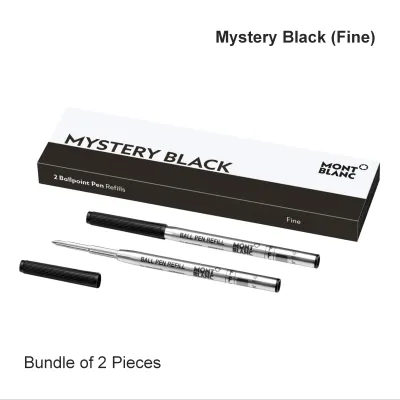
41 Lazada user ratings
Fast delivery, received within 2-3 days. Good quality refill. Genuine product. Will buy again. Highly recommended.
Quality: very good Packaging: well sealed Ink: Very good very smooth Writes smoothly on any paper,
Professional and classy, Writes smoothly on any paper, Great value for money,
High-quality refill, Writes smoothly on any paper, Long-lasting ink,
High-quality refill and the ink flow is smooth. Highly recommended.
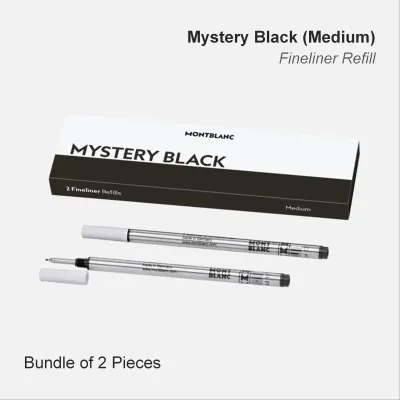
7 Lazada user ratings
It is good product, yet not l really want… instead of Fine-liner roller I just want “roller ball”…
Royal Blue ink option, Medium line width, Durable refill quality, Compatible with most models,
Mystery Black ink, great!
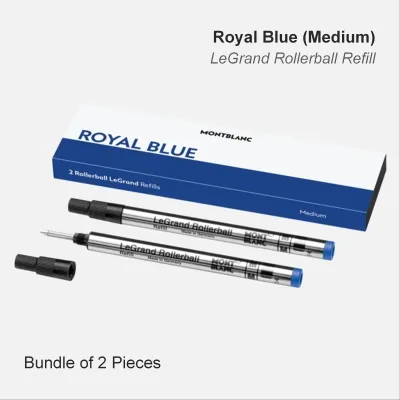
6 Lazada user ratings
Quality: very good flow and for good pricing The seller is super responsive and accommodating. I bought the wrong size and seller was willin…Read full reviewShow less
Quality: very good flow and for good pricing The seller is super responsive and accommodating. I bought the wrong size and seller was willing to do a return even though it was ~2 weeks after delivery. Will always support this store now!
Good quality. Well packed.
looks good, yet to test
Prices are valid at publication and may change. Please refer to the product page for the latest price.
A soft, lint-free microfiber cloth is indispensable for wiping down the exterior surfaces and gently drying the nib without leaving behind tiny fibers that could clog the feed. For flushing cartridge or converter models, a simple rubber bulb syringe—often sold as an infant ear syringe and costing under S$10 at local pharmacies—is an incredibly effective tool for forcing water through the grip section. If you are dealing with heavily dried ink, prepare a shallow, clean glass or ceramic cup to soak the nib section; avoid metal containers, which can easily scratch the delicate gold plating or rhodium finishes on the nib.
Step-by-Step Guide to Flushing Your Montblanc Fountain Pen
Flushing your fountain pen is a straightforward mechanical process, but it requires a gentle touch and a secure workspace. Before you begin, clear a flat surface and lay down a soft, clean towel to protect your pen from accidental drops on hard countertops. If you choose to work over a sink, always insert a high-quality drain strainer or plug the basin completely to prevent small parts, such as converters or decorative trim rings, from slipping down the drain.

Take your time during each step of the process, as rushing can lead to excessive pressure on the nib or the internal piston threads. By working methodically, you can safely remove old ink and restore the capillary action that gives your pen its signature smooth flow.
Disassembling the Pen and Removing the Cartridge or Converter
To begin, carefully unscrew the cap and set it aside on your towel to prevent it from rolling off the table. Hold the textured grip section firmly with one hand and slowly unscrew the outer barrel counterclockwise to expose the internal ink reservoir. If your pen uses a cartridge or a removable piston converter, gently pull the empty cartridge straight out of the section, or unscrew the converter if it is a threaded model.
For Montblanc models equipped with an integrated piston-filling mechanism, such as the Meisterstück 146 or 149, the pen does not disassemble into separate barrel and grip components. Attempting to force these integrated barrels apart can permanently crack the precious resin and void your warranty. For these piston models, the cleaning process is performed entirely by operating the piston cone at the rear of the barrel to draw water directly through the nib and feed.
Flushing the Nib and Feed with Water
For cartridge and converter models, hold the grip section under a very gentle stream of lukewarm, running distilled water to wash away loose surface ink. Next, fill your rubber bulb syringe with clean distilled water, insert the tip of the syringe snugly into the back of the grip section where the cartridge normally connects, and gently squeeze the bulb. This action forces water through the feed channels and out of the nib, carrying away dissolved ink. Repeat this process several times until the water exiting the nib runs completely clear.
If you are cleaning an integrated piston-filler, submerge the entire nib and part of the grip section into a cup of clean distilled water. Slowly turn the piston cone at the end of the barrel counterclockwise to lower the internal plunger, then turn it clockwise to draw water up into the reservoir. Expel the water back into a separate waste container by turning the cone counterclockwise again. Repeat this filling and emptying cycle until the expelled water is entirely free of ink tint, which may require dozens of cycles if the pen has not been cleaned recently.
If the pen has been stored with dried ink inside, the feed channels may be severely obstructed. In this case, submerge only the metal nib and the plastic feed in a shallow glass of distilled water to soak overnight. Ensure the water level does not reach the precious resin barrel or any metal trim rings, as prolonged exposure to water can sometimes dull the finish or cause corrosion on metal accents. If the water remains heavily discolored after an overnight soak, or if the ink flow remains blocked, stop the process and consult an authorized Montblanc service center to avoid damaging the delicate feed.
Drying the Pen Components Properly
Once the water runs completely clear, remove the components from the water and gently shake the grip section over your sink to expel any trapped droplets from the feed. Use your lint-free microfiber cloth to wipe down the exterior of the grip section, the barrel, and the converter. To draw out the remaining moisture from the deep capillary channels of the feed, wrap the nib gently in a clean, dry paper towel or microfiber cloth and let it rest upright on its tip for a few minutes; capillary action will naturally pull the water out of the feed.
After wicking away the bulk of the moisture, lay the disassembled components flat on a dry towel in a well-ventilated area to air-dry completely. In tropical, high-humidity environments like Singapore, this drying process can take up to 24 hours to ensure no residual moisture remains inside the feed or converter. Allowing the pen to dry fully prevents any remaining water from diluting your next fill of fresh ink, which can cause an unexpectedly faint or skipping line when you write.
When and How to Use a Pen Flush Solution
Standard distilled water is usually sufficient for routine maintenance, but certain situations require a stronger cleaning agent. If you notice persistent ink flow issues, skipping, or a scratchy writing experience even after a thorough water flush, stubborn ink deposits may still be clinging to the feed. A specialized pen flush is also highly recommended when you are switching between highly saturated, permanent, or iron-gall inks, or when a pen has been left unused and capped with ink inside for several months.
You can use a commercially formulated fountain pen flush or prepare a mild, home-made solution by mixing one part household ammonia with nine parts distilled water. Never use harsh household chemicals, bleach, rubbing alcohol, or acetone on your Montblanc pen. Alcohol and acetone act as solvents that will rapidly dissolve or craze the precious resin, causing permanent structural cracks and destroying the glossy finish of the barrel and cap.
To apply the flush solution, use your bulb syringe or the pen’s internal piston to draw the mixture into the feed and let it sit for no more than five to ten minutes. After the solution has loosened the stubborn ink, flush the pen thoroughly with clean distilled water at least three to four times. This final rinse is crucial, as any remaining ammonia residue can react chemically with your fresh ink or slowly degrade the internal components over time.
Tips for Preventing Ink Clogs and Maintaining Smooth Flow
Proactive daily habits are the most effective way to minimize the need for deep cleaning and protect your writing instrument from unnecessary wear. Always store your fountain pen horizontally or with the nib pointing upward when it is not in use. Storing a pen nib-down allows gravity to pull ink into the cap, which can lead to messy leaks, dried ink crusts around the nib, and severe clogs in the feed channels.
Always cap your pen securely immediately after you finish writing, even if you only plan to pause for a few minutes. Leaving the nib exposed to the air allows the water in the ink to evaporate rapidly, leaving behind concentrated dye solids that block the microscopic slit on the nib. Additionally, try to stick to high-quality, fountain-pen-safe inks, preferably those formulated by reputable stationery manufacturers. Avoid calligraphy, drawing, or India inks entirely, as these contain binders like shellac or acrylic that dry into waterproof, insoluble barriers that will permanently ruin a fountain pen feed.
If you enjoy experimenting with different ink brands or colors, make it a strict rule to flush your pen completely before changing inks. Mixing different ink formulas inside the pen can trigger a chemical reaction, resulting in a thick, sludge-like precipitate that is exceptionally difficult to clean out. For daily writers using standard water-soluble inks, a quick flush every four to six weeks is ideal, while occasional writers should aim to clean their pens before storing them empty for any extended period.
Frequently Asked Questions (FAQ)
How often should I clean my Montblanc fountain pen?
If you use your Montblanc fountain pen daily with standard, non-permanent inks, you should aim to clean and flush it every four to eight weeks to prevent gradual ink buildup. For occasional writers who leave their pens unused for weeks at a time, it is best to flush the pen completely before storing it to prevent the ink from drying out inside the feed. If you prefer using highly saturated, pigmented, water-resistant, or shimmering inks, you should increase your cleaning frequency to once every two to three weeks, as these formulas contain higher solid contents that clog capillary channels much faster.
Can I use tap water to flush my fountain pen?
While using tap water for a quick rinse is generally safe in emergencies, it is highly recommended to use distilled or filtered water for flushing your fountain pen. Tap water contains dissolved minerals, such as calcium and magnesium, which can precipitate out of the water as it evaporates inside the feed. Over time, these microscopic mineral deposits can accumulate within the delicate, narrow channels of the feed, permanently restricting ink flow and requiring professional servicing to clear. Using distilled water eliminates this risk entirely, ensuring your pen’s feed remains free of mineral scale.
Community discussion
Share your experience or ask a question. Comments are reviewed before publication.