
Selecting the right Posca marker tip size is the key to achieving clean lines, vibrant coverage, and professional results in your art projects. Because these markers use a water-based acrylic paint formula rather than traditional dye-based ink, the way the paint flows depends heavily on the nib size and shape you choose. Whether you are customizing a skateboard, painting rocks, or detailing a fine illustration, matching the tip to your canvas scale and surface texture ensures a smooth creative process.
Understanding Posca Markers Tip Sizes and Shapes
Posca markers are categorized by alphanumeric codes that correspond to specific tip shapes and line widths. The most common sizes range from the ultra-fine PC-1MR to the massive PC-17K extra-broad chisel tip. Understanding these codes helps you navigate the product line and select the exact tool for your creative needs.
The standard lineup includes several distinct sizes:
Products mentioned in this guide
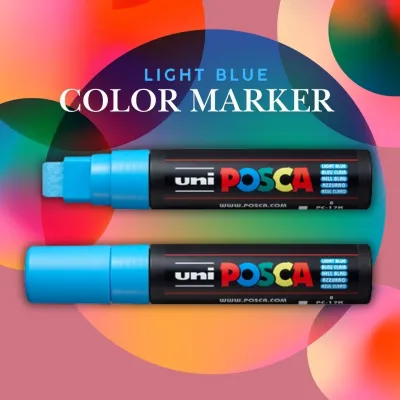
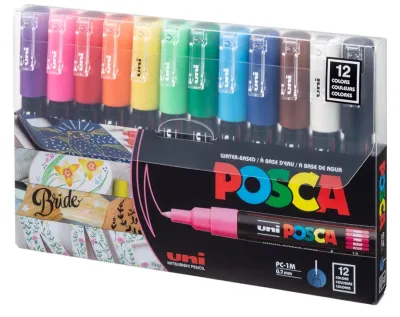
1 Lazada user ratings
well received with no issues observed with rhe markers.
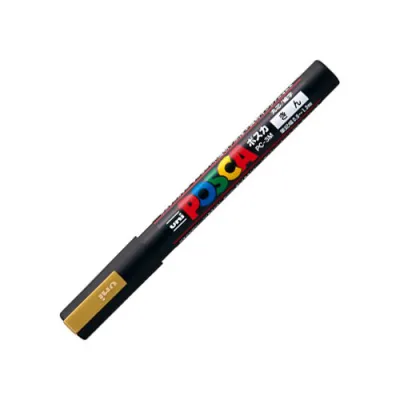
2 Lazada user ratings
Item received in good condition. Delivery was good. Overall nice.
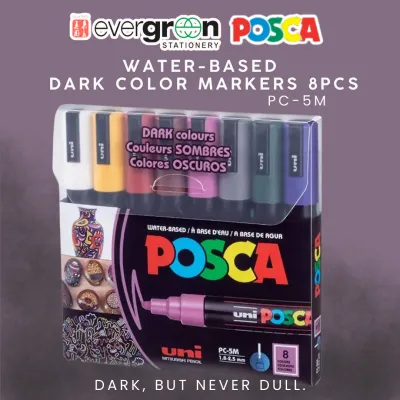
27 Lazada user ratings
received in super messy state. the plastic case is damaged and the colours are super messy and 1 of the orange is broken, and there are few …Read full reviewShow less
received in super messy state. the plastic case is damaged and the colours are super messy and 1 of the orange is broken, and there are few repeated colours. lucky my teenage girl is able to accept it otherwise I'll have to go thru the trouble to return. for ocd ppl like me I had to rearrange all the colours.
Durability: Very durable, Color Variety: great Ink Quality: opaque and smooth Great for creative projects, High color intensity, Had a group…Read full reviewShow less
Durability: Very durable, Color Variety: great Ink Quality: opaque and smooth Great for creative projects, High color intensity, Had a group of children test the quality and their works turned out smooth and effortless
Very durable, So many colors!, Rich ink color, Perfect for DIY and crafts, Non-toxic and safe to use, Bought similar ones and am trying diff…Read full reviewShow less
Very durable, So many colors!, Rich ink color, Perfect for DIY and crafts, Non-toxic and safe to use, Bought similar ones and am trying different brands to compare. Great price! Thanks seller!
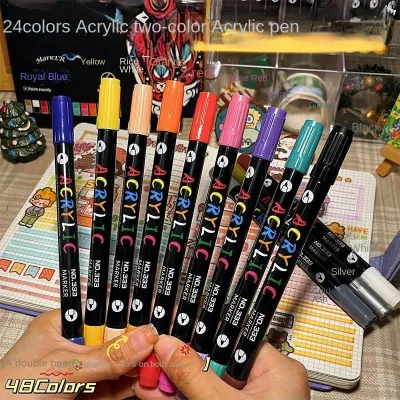
Well received. Hopefully it's good to use and long lasting. Both ends are with sharp tips.
Ideal for calligraphy, High color intensity, Ink Quality:High-quality
Prices are valid at publication and may change. Please refer to the product page for the latest price.
- Extra-Fine (PC-1MR, PC-1M): Line widths from 0.7 mm to 1.0 mm. Excellent for technical drawing, fine outlines, and intricate details.
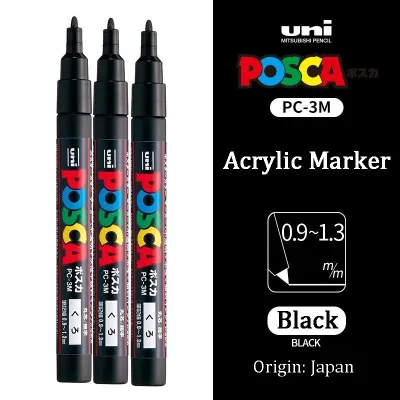
- Fine (PC-3M): Line widths from 0.9 mm to 1.3 mm. The go-to size for small-scale coloring, writing, and everyday drawing.
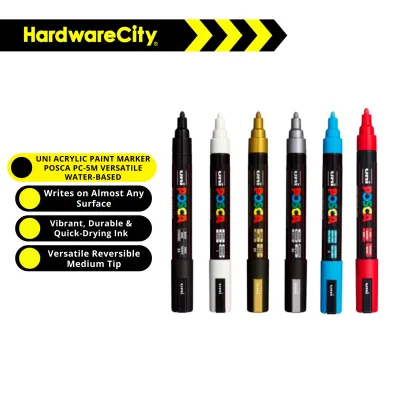
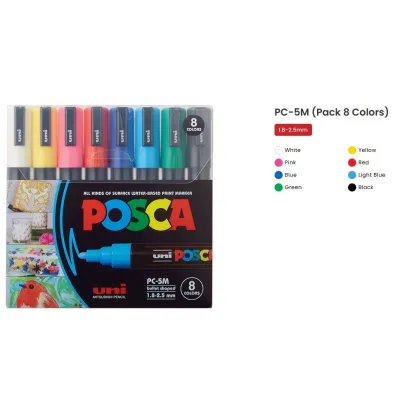
- Medium (PC-5M): Line widths from 1.8 mm to 2.5 mm. The most versatile bullet tip for general creative work and filling moderate spaces.
- Broad (PC-7M, PC-8K): Line widths from 4.5 mm to 8.0 mm. Available in bullet or chisel shapes for bold strokes and larger canvases.
- Extra-Broad (PC-17K): A 15 mm flat chisel tip designed for massive murals and background fills.
Tip shapes also dictate your stroke style. Bullet (round) tips provide a consistent line width regardless of the angle at which you hold the marker, making them ideal for uniform drawing and coloring. Chisel (angled) tips allow you to vary the line width by rotating the marker, which is perfect for calligraphy and dynamic graphic design.
The underlying technology relies on a valve-action mechanism. Inside the marker, a metal ball mixes the dense pigment when shaken, and pressing down on the nib opens a valve to saturate the tip. The nibs themselves are made of durable materials like polyacetal for extra-fine tips to prevent splaying, or acrylic fiber for larger tips to hold more paint.
Matching Tip Sizes to Your Project's Detail Level
Choosing the correct tip size requires balancing the scale of your artwork with the level of detail you want to achieve. Using a tip that is too large for a small canvas leads to muddy details, while using a tiny tip to fill a large area can exhaust the marker prematurely and leave visible streak marks.
Extra-fine and fine tips are indispensable for intricate line art, detailed lettering, and precise outlining. If you are working on small-scale illustrations, customizing delicate jewelry, or adding highlights to a finished painting, these sizes give you the control of a fine-liner pen with the opacity of acrylic paint.
Medium tips strike a balance between detail and coverage. The PC-5M is widely considered the most versatile option, making it suitable for medium-scale artwork, coloring in moderate shapes, and general drawing on sketchbooks or canvas boards.
Broad and chisel tips are essential when your canvas expands to skateboards, surfboards, large canvas panels, or window displays. They allow you to lay down flat, opaque layers of paint quickly, minimizing brush strokes and saving time.
To help you decide, consider this general project scale matrix:
| Project Scale | Detail Level | Recommended Posca Tip |
|---|---|---|
| Small (Postcards, small rocks, jewelry) | High Detail / Outlines | PC-1MR, PC-1M, PC-3M |
| Medium (Sketchbooks, canvas boards, mugs) | Mixed Detail & Coloring | PC-3M, PC-5M |
| Large (Skateboards, large canvases, signs) | Broad Fills & Bold Lines | PC-7M, PC-8K, PC-17K |
Choosing the Right Tip for Different Surfaces
The texture and porosity of your working surface play a massive role in how a Posca tip behaves. Because the paint is water-based, it dries through evaporation, meaning local environmental factors like Singapore’s high humidity can extend drying times on non-porous materials.
On smooth, non-porous surfaces like glass, plastic, metal, or glazed ceramics, finer tips require a gentle touch. Applying too much pressure can cause the hard plastic or polyacetal nibs to slide or scratch the surface rather than depositing paint. On these materials, the paint sits on top of the surface, so a medium bullet tip often provides the smoothest, most opaque application without skipping.
Porous and textured surfaces, such as raw wood, unglazed terracotta, stone, canvas, and fabric, present a different challenge. These materials absorb paint quickly and can be highly abrasive. Using extra-fine tips on rough wood or textured rocks will quickly fray the delicate nib fibers. For these surfaces, medium to broad tips are highly recommended; their larger acrylic fiber nibs hold more paint to saturate the pores and are durable enough to withstand rough textures.
When working on paper, the weight and tooth of the sheet are critical. Standard printer paper or thin sketchbooks under 120 gsm will easily warp, pill, or bleed when saturated with the heavy ink flow of a medium or broad Posca marker. For optimal results, use heavy mixed-media or watercolor paper of at least 200 gsm to 300 gsm that can handle the moisture of acrylic paint without tearing.
Practical Tips for Testing and Maintaining Your Markers
Proper preparation and maintenance will significantly extend the life of your markers and ensure consistent line quality. Before using a new or stored marker, always shake it thoroughly with the cap securely on to redistribute the settled pigment.
To prime the marker, press the tip vertically down onto a scrap piece of paper several times. Avoid pressing too hard or pumping too rapidly, as this can flood the valve and cause a large puddle of paint to escape.
Always conduct a quick trial on a scrap piece of your actual project material. This allows you to observe the drying speed, check for potential bleeding, and verify that the color opacity matches your expectations before committing to your final piece.
If a tip becomes dirty, dusty, or clogged with dried paint, you can easily clean it. Many Posca tips can be pulled out, rinsed under warm water, and reinserted. Store your markers horizontally when not in use to prevent pigment from settling at the bottom of the barrel or clogging the valve mechanism.
Frequently Asked Questions (FAQ)
Can I replace the nib on my Posca marker if it gets damaged?
Yes, several Posca marker sizes feature removable and reversible nibs, including the PC-1M, PC-3M, PC-5M, PC-8K, and PC-17K. If a nib becomes frayed or dirty, you can gently pull it out with your fingers or a pair of tweezers, wash it with water, or flip it around to use the other side. Always ensure the marker is capped when not in use to prevent the replacement nib from drying out.
Do Posca markers bleed through standard sketchbook paper?
Because Posca markers contain water-based acrylic paint rather than alcohol-based ink, they do not bleed through paper in the traditional sense. However, broader tips deposit a high volume of liquid paint, which can saturate thin paper under 120 gsm, causing it to warp, pill, or tear. To prevent this, use heavy cardstock, mixed-media paper, or watercolor paper, and allow each layer to dry completely before applying another.
How do I fix a Posca marker that is skipping or not writing?
If your marker is skipping, the paint may have settled or the nib may have dried out. First, cap the marker tightly and shake it vigorously to mix the pigment. Next, press the nib down gently on a scrap piece of paper to re-prime the valve. If the nib is clogged with dried paint, remove it and soak it in warm water for a few minutes, then dry it thoroughly before reinserting and priming it again.
Community discussion
Share your experience or ask a question. Comments are reviewed before publication.