
Finding the perfect fineliner for intricate sketching, journaling, or technical drafting can be frustrating when the arbitrary numbers on pen caps do not match actual millimeter widths, leading to unexpected smudges or ruined details. The Sakura Pigma Micron size range spans from the ultra-fine 003 (0.15 mm) up to the bold 12 (0.70 mm) and specialized brush tips, with each size designed to balance line precision, ink flow, and structural durability for specific creative tasks. Understanding how these sizes translate to real-world performance on paper is the key to choosing the right tool for your project, whether you are drafting architectural schematics or inking a detailed illustration.
What Do the Sakura Pigma Micron Size Numbers Actually Mean?
The numbers printed on Sakura Pigma Micron pen caps—such as 005, 01, or 08—are arbitrary size codes indicating relative thickness rather than direct millimeter measurements. To find the actual line width, you must check the fine print on the pen barrel or the official packaging, where the exact decimal millimeter measurement is listed. For example, a pen marked “05” does not produce a 0.5 mm line; it actually creates a line that is 0.45 mm wide.
This numbering system establishes a clear progression from the thinnest precision tips to the boldest markers. Knowing the exact millimeter output is essential when your work demands strict compliance with technical drawing standards or when you need to match line weights across different pen brands. The table below outlines the standard numbered sizes alongside their corresponding physical line widths to help you make an accurate selection:
Products mentioned in this guide
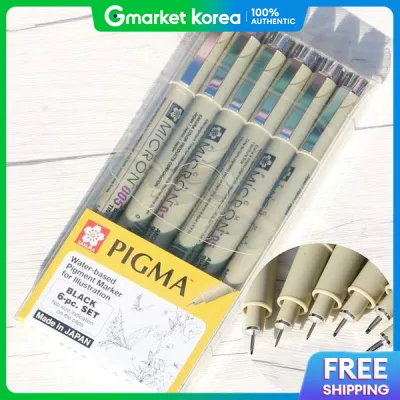
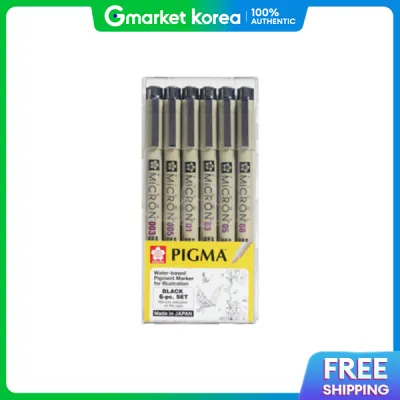
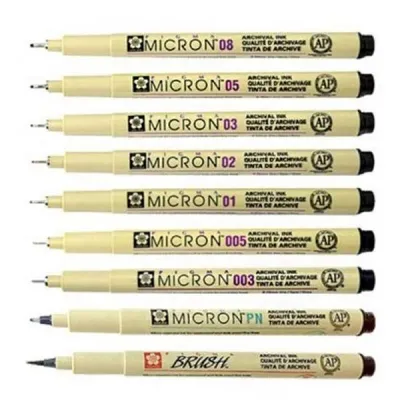
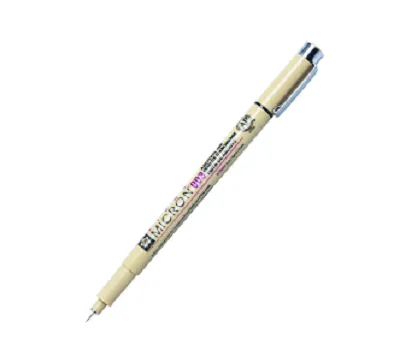
47 Lazada user ratings
Price:Must-have for any art enthusiast.,
The markers are doing fine. I like it.
Durable and reliable art markers.,
经典日本樱花Pigma Micron艺术标记笔。,
Fast delivery. Good
46 Lazada user ratings
3 pens arrived but all the same colour: I ordered 1 blue, 1 red and 1 gray. Very disappointing
Great fr drawing! Seller was helpful n friendly as well.
fast delivery
Prices are valid at publication and may change. Please refer to the product page for the latest price.
| Cap Number | Actual Line Width (mm) | Primary Use Case |
|---|---|---|
| 003 | 0.15 mm | Ultra-fine detailing, micro-stippling |
| 005 | 0.20 mm | Fine hatching, intricate textures |
| 01 | 0.25 mm | Light sketching, detailed writing |
| 02 | 0.30 mm | Technical drafting, clean outlines |
| 03 | 0.35 mm | Standard journaling, medium sketching |
| 04 | 0.40 mm | General writing, illustration borders |
| 05 | 0.45 mm | Everyday note-taking, bold sketching |
| 08 | 0.50 mm | Heavy outlines, graphic design |
| 10 | 0.60 mm | Bold lettering, filling small shadows |
| 12 | 0.70 mm | Border lines, high-contrast art |
By referencing these actual millimeter measurements rather than the cap numbers, you can plan your layouts with high precision, preventing the common mistake of purchasing a size 05 expecting a half-millimeter line.
Which Pigma Micron Nib Sizes Are Best for Fine Details and Technical Drawing?
The ultra-fine sizes, specifically 003, 005, and 01, are the best choices for intricate stippling, micro-details, and tight hatching where absolute precision is required. For standard technical drafting, architectural layouts, and clean initial sketches, the slightly larger 02 and 03 sizes offer a more stable line while maintaining a delicate profile. These smaller sizes allow you to layer fine textures without crowding the paper or creating heavy, distracting masses of ink.

When working with these precision sizes, the physical fragility of the nib becomes a critical factor. The ultra-fine tips feature incredibly thin plastic nibs supported by a protective metal sleeve. Because these tips are so delicate, applying excessive downward pressure or holding the pen at a sharp, aggressive angle can easily bend, split, or push the nib back into the sleeve, permanently ruining the pen.
To preserve these fine tips, adopt a light, controlled hand posture, holding the pen almost perpendicular to the paper. Let the archival pigment ink flow naturally onto the page under the pen’s own weight. This light touch not only extends the lifespan of your finest pens but also ensures a consistent, uninterrupted line free from scratching or skipping.
When Should You Use the Medium and Bold Micron Sizes for Inking?
Medium and bold sizes, ranging from 04 and 05 up to 08, 10, and 12, are ideal when you need to establish strong outlines, write legible everyday text, or fill in solid dark areas. These larger nibs deliver a more generous flow of archival pigment ink, making them perfect for comic book borders, hand lettering, and high-contrast graphic design. They provide the structural weight needed to anchor an illustration and separate foreground subjects from detailed backgrounds.
Using these larger sizes also introduces observable differences in ink flow and drying behavior. Because the wider nibs lay down a significantly thicker layer of pigment ink, the paper requires more time to absorb and dry the liquid. In humid environments, such as Singapore’s tropical climate, this drying process can take noticeably longer, especially on smooth, coated papers.
To prevent accidental smudging, always allow the ink to cure completely before erasing pencil guidelines or applying wet media like watercolors. You can verify the drying speed by running a quick test on a scrap piece of the same paper. Additionally, these bolder tips are much more resilient, making them excellent for everyday writing in journals where you might naturally apply more pressure.
How Does the Pigma Micron Brush Pen Compare to the Numbered Nibs?
Unlike the rigid, consistent lines produced by numbered Micron nibs, the Pigma Micron Brush pen features a flexible fiber tip that responds dynamically to your hand’s pressure and angle. This allows you to transition seamlessly from hairline details to broad, sweeping strokes with a single pen stroke. It functions more like a traditional paintbrush, offering an organic feel that rigid fineliners cannot replicate.
The brush pen is highly suited for creative applications that demand expressive line variation, such as brush lettering, modern calligraphy, organic sketches, and dynamic comic book inking. By varying the tilt of your hand and the downward force you apply, you can create elegant tapers and bold, sweeping curves that give your artwork a sense of movement and depth.
However, this flexibility comes with a steeper learning curve. Maintaining precise control over a flexible brush tip requires practice, as any slight tremor or variation in pressure will be immediately visible in the line weight. For technical drawings, architectural schematics, or clean geometric patterns, the numbered nibs remain the superior choice for guaranteed consistency.
How Can You Test and Maintain Your Micron Pens for Consistent Line Widths?
To ensure your Micron pens deliver consistent line widths and smooth ink flow, you should always test them on a scrap piece of your project paper before starting your final work. Proper storage and handling are equally critical to prevent the archival pigment ink from drying out or clogging the delicate tips. Because different paper types interact uniquely with pigment ink, a quick trial run is the best way to avoid unexpected results.
The texture, tooth, and sizing of your paper heavily influence how the ink behaves and how long your pen tips will last. Highly absorbent papers, such as standard copy paper, tend to draw ink out of the nib rapidly, causing lines to bleed and appear thicker. Conversely, rough, textured papers like cold-press watercolor paper can act like sandpaper, quickly wearing down fine plastic nibs.
To maintain your pens in peak condition, always cap them immediately after use. Store your Micron pens horizontally; this keeps the pigment particles evenly distributed throughout the barrel, preventing the ink from pooling at one end or leaving the nib dry. If a pen has been stored vertically and writes faintly, lay it flat for a few hours to restore natural ink flow.
Community discussion
Share your experience or ask a question. Comments are reviewed before publication.