
Choosing the right file organizer is not about buying the most attractive plastic tray or wire mesh basket; it is about matching your physical paper volume, available desk real estate, and daily cognitive habits to a specific structural design. A mismatch leads to cluttered surfaces, lost documents, and abandoned systems. A well-chosen system, however, reduces visual friction and helps you maintain focus throughout the workday.
To find the ideal setup, you must evaluate how much paper enters your workspace, where it needs to live, and how quickly you must retrieve it. Whether you are managing a compact home office in a Singapore HDB flat or organizing a corporate desk, a systematic assessment ensures your chosen organizer supports your workflow rather than adding to the visual noise.
Assess Your Document Volume and Paper Flow
Documents generally fall into three distinct operational categories: active, reference, and archival. Active papers are those you touch daily, such as current invoices, immediate action items, or ongoing project notes. Reference materials are accessed weekly or monthly, including tax documents, insurance policies, or reference manuals. Archival documents are long-term records that must be kept for legal or historical reasons but are rarely retrieved. Understanding these categories prevents you from cluttering your immediate workspace with papers you only need once a year.
Products mentioned in this guide
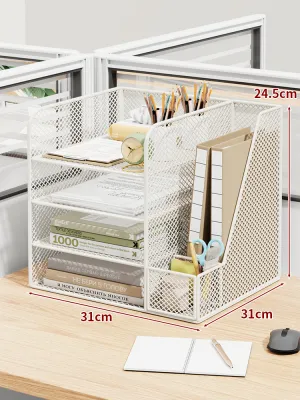
46 Lazada user ratings
Material is good . the trays are just nice for A4, it fits exactly that size, no allowance given.
I didn't package the shelf well, so it's a bit crooked. You guys need to be more careful!
It's alright, no assembly required.
The quality is decent.
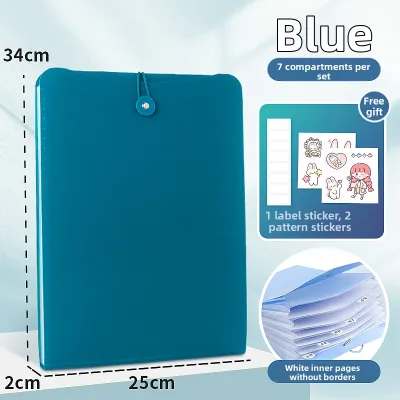
23 Lazada user ratings
Repeat order. Good design & nice color. Wish there see more solid colors to choose from. A4 size compatibility, vertical format made it easy…Read full reviewShow less
Repeat order. Good design & nice color. Wish there see more solid colors to choose from. A4 size compatibility, vertical format made it easy to organize inside a school backpack
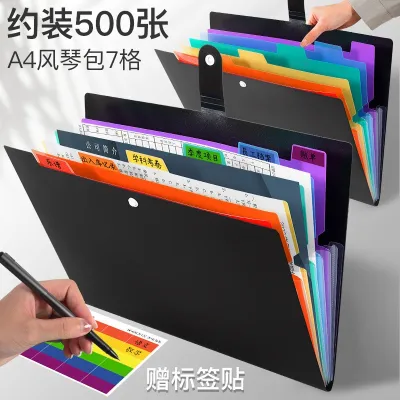
Delivery took a while but within the estimated range. The folder is quite sturdy and the colorful pockets are all good. The metal button clo…Read full reviewShow less
Delivery took a while but within the estimated range. The folder is quite sturdy and the colorful pockets are all good. The metal button closure is a nice touch.
Received well in good condition. Nice and Clean design. Very useful and space saving for school work sheets. Like the portrait format easy t…Read full reviewShow less
Received well in good condition. Nice and Clean design. Very useful and space saving for school work sheets. Like the portrait format easy to use with backpacks.
A4 size compatibility, Large capacity storage, delivery very fast and received in good condition.
Large capacity storage,
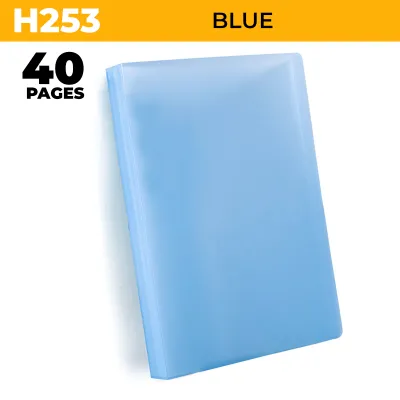
68 Lazada user ratings
item has received 👍👍🫰 Design:good Price:good Durability:good Keeps my documents safe and secure, Great organizer for documents,
Quite "standard" clear file folder, brought during 12:12. Prompt packing and delivey by seller. 👍👍👍
item arrives on time. love it much. cheap and value for money, will buy it again
Great organizer for documents, Clear transparent cover is practical,
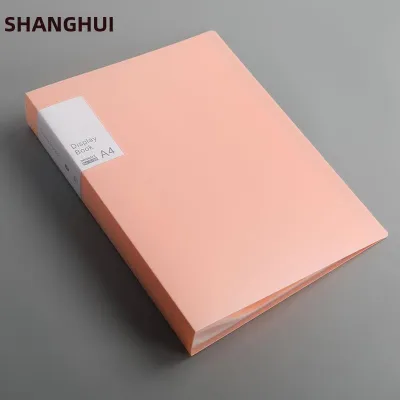
179 Lazada user ratings
Design:Nice pastel color. looks good. Price:price us reasonable. might buy more if hot sales. Durability:The quality seems ok.
Today just received this, Transparent layer colors file. Received good packing Thanks . next time I will order other colors
Organize your papers neatly, Suitable for A4 paper size, Perfect for music scores, fast delivery and light to carry around
Suitable for A4 paper size, Thickened durable material, Easy to carry and store, fast delivery and light
We have tried buying different sizes - Good Quality overall! Thanks MillionParcel for the Promo prices!
10 Lazada user ratings
The bookshelf's quality is really good, and the seller is also nice. Due to some external force, the bookshelf got slightly damaged, but the…Read full reviewShow less
The bookshelf's quality is really good, and the seller is also nice. Due to some external force, the bookshelf got slightly damaged, but the seller immediately sent a replacement. It's absolutely wonderful, and I will definitely buy from them again.
It's a bit shaky, especially on the sides. It would be better if it were more solid and stable.
Received in good condition thanks seller.
securely packed, nice colour
20 Lazada user ratings
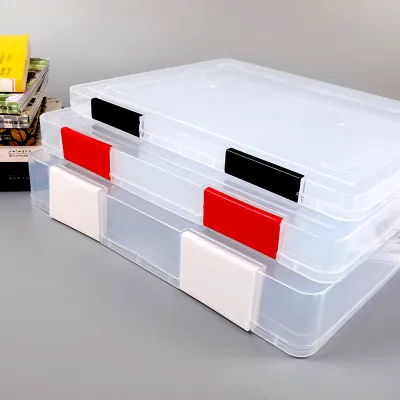
Slightly larger than standard A4 file but serves its purpose well.
the items received in good bubblewrap condition
Quick delivery within 48 hours,
Prices are valid at publication and may change. Please refer to the product page for the latest price.
Before selecting an organizer, gather your loose papers and measure their cumulative thickness. A standard ream of paper (500 sheets) measures roughly 5 cm in height. If your active and reference papers exceed this thickness, a simple single-tier tray will quickly overflow. Heavier volumes require structural support, such as reinforced steel frames or deep drawer systems, to prevent bowing or tipping. Always verify that the organizer’s dimensions match your standard paper sizes, such as A4 or letter format, to avoid bent corners.
Analyze how paper moves through your space. An incoming-heavy flow requires a dedicated “inbox” tray to prevent loose sheets from scattering across your desk. If your work involves constant cross-referencing, you need an open-faced system where multiple documents can be kept visible and accessible simultaneously. Understanding this flow prevents you from buying a closed storage box when you actually need an open, multi-tiered sorting station that allows for rapid retrieval.
Evaluate Your Available Space and Layout
Your desk footprint is premium real estate. Measure the exact width and depth of your available surface before purchasing any desktop organizer. If your desk is shallow, a wide horizontal tray will consume valuable keyboard and mouse space. In these compact setups, look for vertical stacking trays or tiered organizers that utilize vertical clearance rather than horizontal surface area. This approach keeps your immediate working zone clear while keeping essential files within arm’s reach.

If you prefer a clean, paper-free desktop, your desk drawers are the logical home for files. However, drawer dimensions vary significantly across different furniture styles. Measure the internal width, depth, and height of your drawers, paying close attention to any internal tracks, handles, or low-hanging drawer lips. Standard hanging folders require specific drawer depths and side rails to slide smoothly without catching on the frame, so verify these clearances before purchasing a hanging system.
When desk and drawer space are non-existent, vertical surfaces offer an elegant alternative. Inspect your surrounding walls, the backs of doors, or office partition panels. Ensure these surfaces can support the weight of a loaded organizer. For rental properties or offices with strict lease agreements, verify if you can use non-damaging adhesive hooks or over-the-door brackets instead of drilling permanent screws into the drywall, keeping your setup both functional and compliant.
Match Your Workflow Habits to Organizer Types
Desktop trays and tiered horizontal sorters are designed for high-frequency, active document management. If your daily routine involves sorting incoming mail, processing invoices, and signing outgoing documents, a multi-tiered tray system keeps these categories physically separate and highly visible. The open design allows you to drop papers in and pull them out with a single hand, minimizing friction in your daily workflow. However, because these trays keep documents exposed, they can look cluttered if you do not clear them regularly, making them best suited for disciplined organizers.
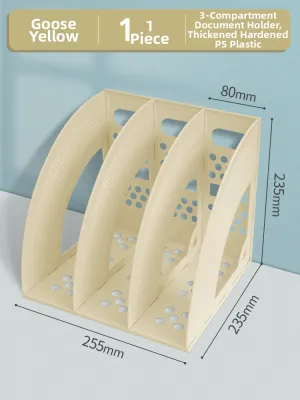
Vertical standing files, such as magazine holders or upright section sorters, are ideal for moderate document volumes when desk space is limited. They keep folders upright, allowing you to read the labels on file tabs easily. This style works exceptionally well for project folders, catalogs, and notebooks that you need to access several times a week. To ensure stability, look for vertical files with a heavy, wide base or non-slip rubber feet, especially if you plan to store heavy bound documents or thick folders that might otherwise cause a lightweight plastic holder to tip.
For high-volume, heavily categorized storage, hanging folders installed inside a drawer or a freestanding file crate remain the gold standard. This system allows you to organize hundreds of documents using color-coded tabs and sub-folders. Because the weight is suspended from parallel metal rails, the folders do not slump or slide to the bottom of the container. This is the best choice for reference materials and long-term archives that you want to keep out of sight but organized systematically, ensuring your workspace remains visually calm.
Wall-mounted organizers and hanging pocket files are excellent for zero-desk-footprint environments, shared communal spaces, or dedicated mail sorting stations. By moving your paper storage to the wall, you free up your entire desktop for active work. These systems are particularly useful in narrow entryways, corridors, or small home offices where floor space is limited. When choosing a wall-mounted unit, verify that the pockets are deep enough to hold standard A4 or letter-sized documents without the papers flopping forward or bending at the corners, which can damage important records.
Build Your Custom Filing Shortlist
To build your shortlist, combine your volume and space assessments into a clear set of requirements. If you have low volume and low desk space, prioritize wall-mounted pockets or a single vertical standing file. If you have high volume and ample drawer space, invest in a high-quality hanging folder frame. For high volume with no drawer space, a mobile filing cart that rolls under your desk may be the most practical solution, allowing you to tuck your archives away when they are not in use.
Before purchasing new organizers, look at what you already own. You can often repurpose sturdy cardboard boxes, plastic bins, or existing bookshelves with the addition of simple wire dividers. Additionally, consider if some of your physical paper volume can be eliminated entirely. Digitizing old utility bills, receipts, and expired contracts reduces the physical footprint of your filing system, allowing you to buy a smaller, more streamlined organizer for your remaining physical documents that genuinely require hard copies.
Document volumes rarely remain static. When selecting an organizer, prioritize modular, stackable, or expandable options. Stackable letter trays allow you to add tiers as your workload increases without taking up more desk space. Expandable accordion files can grow or shrink depending on seasonal paperwork, such as tax season or end-of-year school reports. Choosing a scalable system ensures your organizer remains useful for years to come, saving you money and reducing waste as your storage needs evolve.
Frequently Asked Questions (FAQ)
How do I prevent paper from slipping out of vertical file organizers?
To keep papers upright in vertical organizers, check the base weight and footprint of the unit before loading it. If the organizer is too light, it may tip over when holding top-heavy folders. You can use complementary heavy bookends on either side of a lightweight plastic holder to add stability. Additionally, avoid overfilling the compartments beyond the manufacturer’s stated capacity, and use sturdy, rigid file folders rather than loose, flimsy sheets of paper to maintain structural balance and keep your documents pristine.
Can I mix different types of file organizers in one workspace?
Yes, combining different organizer types is often the most effective way to manage the entire lifecycle of your documents. You can use a three-tier desktop tray for active, daily sorting of incoming mail and immediate tasks. Once those tasks are completed, transition the documents into a vertical standing file for weekly reference. Finally, move long-term records into hanging folders inside a deep drawer or archival box, creating a seamless, multi-stage workflow that keeps your desk clean and your mind focused.
Community discussion
Share your experience or ask a question. Comments are reviewed before publication.