
Finding the ideal writing board for your home office, classroom, or corporate meeting room is not a matter of finding a single, universally superior product. The right choice depends entirely on your specific frequency of use, aesthetic preferences, and installation constraints. While one user might prioritize a lightweight, budget-friendly surface for occasional brainstorming, another may require a heavy-duty, stain-resistant panel that can withstand daily presentations without showing wear. To make an informed decision, you must evaluate how different board materials perform across key criteria such as erasability, physical durability, and mounting requirements.
Standard whiteboards are the most common option available, typically categorized by their surface coatings: melamine, painted steel, or porcelain. Melamine boards consist of a plastic-infused paper sheet laminated over a fiberboard backing. They are highly affordable and lightweight, making them easy to mount on almost any wall, though they are best suited for light or occasional use. Painted steel boards feature a layer of lacquer over a steel sheet, offering a smoother writing experience and magnetic functionality. Porcelain boards, also known as ceramic boards, feature a glass-like ceramic layer baked onto a steel backing at extremely high temperatures, resulting in a highly durable, scratch-resistant, and low-porosity surface.
Glass boards represent the premium tier of modern writing surfaces, constructed from tempered safety glass that is highly resistant to impact and shattering. Because glass is completely non-porous, these boards offer exceptional resistance to staining and ghosting, allowing you to use any standard dry-erase or wet-erase marker without leaving permanent shadows. Their sleek, frameless designs and translucent or solid-color backings provide a minimalist, high-end aesthetic that complements contemporary office spaces and modern home interiors.
Products mentioned in this guide
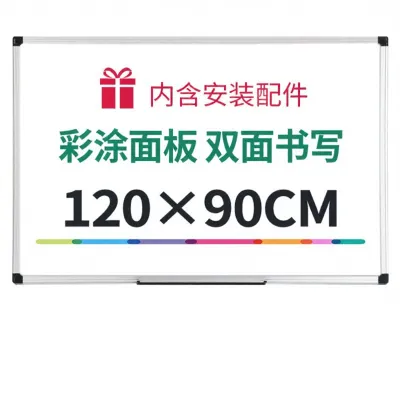
1 Lazada user ratings
Durability:Trusted brand Deli Portability:yes, easy to move around. Material is heavier than other no name brand which is a good sign. Recei…Read full reviewShow less
Durability:Trusted brand Deli Portability:yes, easy to move around. Material is heavier than other no name brand which is a good sign. Received surprisingly in such a crisp perfect condition despite a long way from China, even much better compared to bulky goods being shipped locally. Great compliment to the Seller. Came with the free stuffs from Deli brand. Super satisfied, this is my best purchase on Lazada for goods from China.
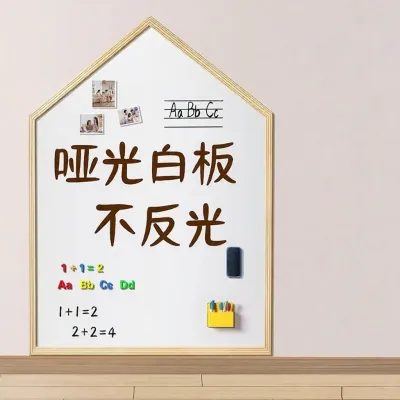
73 Lazada user ratings
I saw all the good reviews, but my wall wasn't in great shape anymore. The seller helped out by giving me some money to buy adhesive. I patc…Read full reviewShow less
I saw all the good reviews, but my wall wasn't in great shape anymore. The seller helped out by giving me some money to buy adhesive. I patched up the wall, but I can't use the whiteboard now, which I realize wasn't the best deal.
The flavor is really strong, and it has a very distinct smell. When you write on a whiteboard, it doesn't clean off easily after one use.
The quality is pretty good for the price. I'll definitely buy from this store again next time.
It's decent and works well. The service is great—any small issues were quickly taken care of.
The adhesive is strong and effective, making it great for my projects.
1 Lazada user ratings
Really good and handy.
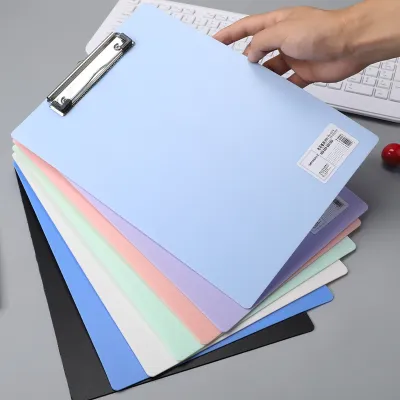
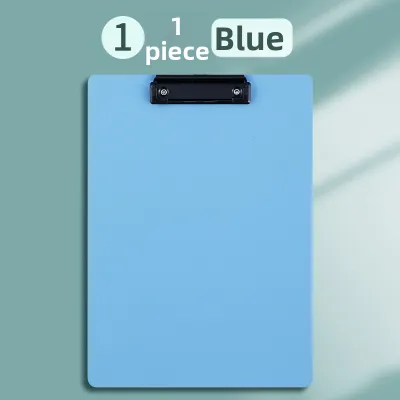
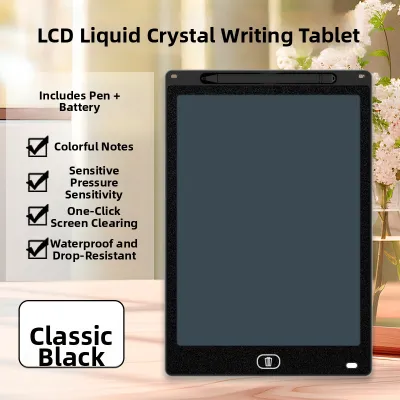
7 Lazada user ratings
Item came in good condition. easy to draw. Very light and portable to bring around anywhere
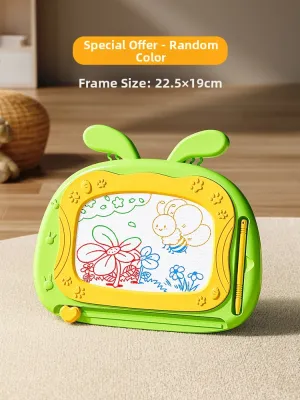
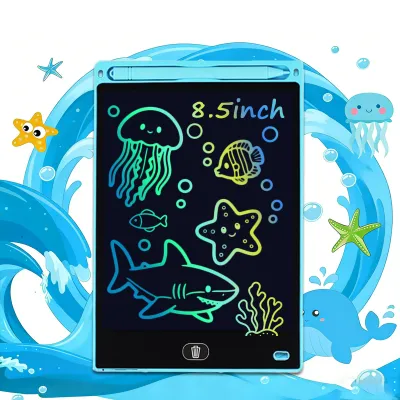
13 Lazada user ratings
The product received, everything is great. Delivery took a normal amount of time. Securely packed, nothing was damaged on the way.
Received the item—absolutely fantastic! 😍 Excellent quality 💯, details exactly as described ✅. Extremely impressed! 😎
Got the product, and it's exactly as described. Quality's solid, and it works just like I thought it would.
Awesome product.
Prices are valid at publication and may change. Please refer to the product page for the latest price.
It is important to clarify that a “magnetic board” is not a distinct material category on its own, but rather a functional feature integrated into other board types. A board becomes magnetic when it incorporates a steel backing behind the writing surface, as seen in painted steel, porcelain, and magnetic glass boards. Pure melamine boards and standard non-magnetic glass boards lack this steel backing and cannot hold magnets. Understanding this distinction helps you avoid confusion when browsing product listings, as you will often find magnetic capabilities overlapping with both traditional whiteboards and premium glass boards.
Comparing Key Performance Dimensions
To select a writing board that delivers long-term value, you must look beyond initial appearance and evaluate how different materials handle daily wear. The primary performance metrics to consider are surface porosity, physical wear resistance, and magnetic holding strength. Rather than relying on generic material assumptions, always verify these characteristics by checking the manufacturer’s specifications, product labels, and warranty details before making a purchase.
Erasability and Ghosting Resistance
Erasability is directly tied to the porosity of the writing surface. Porous materials, such as standard melamine, contain microscopic voids that gradually absorb dry-erase marker ink over time. This absorption leads to a phenomenon known as “ghosting,” where faint outlines of previous writings remain visible even after thorough erasing. While melamine boards perform adequately when erased immediately after use, leaving ink on the surface for several days or weeks often results in permanent staining that requires specialized chemical cleaners to remove.
In contrast, non-porous surfaces like tempered glass and high-quality porcelain prevent marker ink from penetrating beneath the surface layer. The ink sits entirely on top of the material, allowing it to be wiped away cleanly with a standard dry eraser, even after weeks of exposure. This makes non-porous boards highly suitable for fast-paced environments where information must remain on the board for extended periods. When shopping, look for product packaging or manuals that explicitly state “non-porous,” “ghosting-resistant,” or offer specific multi-year warranties against staining to ensure you are getting a high-density surface.
The chemistry of your markers also plays a significant role in erasability. Low-quality or old dry-erase markers can leave behind residues that mimic ghosting, even on premium glass surfaces. To maintain optimal erasability, pair your board with high-quality markers recommended by the manufacturer and replace them when the tips become frayed or dry. If you notice persistent shadows, check the product manual to see if a simple microfiber cloth and water are sufficient, or if a dedicated non-abrasive whiteboard cleaning spray is required to restore the surface.
Durability and Scratch Resistance
The physical lifespan of a writing board is largely determined by its surface hardness and resistance to scratches. Coated surfaces, such as melamine and painted steel, are relatively soft and susceptible to physical damage. If a user accidentally writes on a coated board with a ballpoint pen, uses an abrasive cleaning sponge, or drops a sharp object against the surface, the protective topcoat can easily scratch or wear away. Once this coating is compromised, the underlying material becomes exposed to moisture and ink, leading to rapid degradation and permanent staining.
Tempered glass boards offer the highest level of scratch resistance among all common writing surfaces. The tempering process hardens the glass, making it incredibly difficult to scratch with standard office tools, keys, or even light metal objects. Porcelain boards also perform exceptionally well in this category, as the fired ceramic surface behaves similarly to glass in terms of hardness. This makes both glass and porcelain ideal for high-traffic areas, such as school classrooms, university lecture halls, and shared corporate meeting rooms, where the board is subjected to constant daily use.
To protect your investment, always review the manufacturer’s documentation for specific surface hardness ratings or scratch-resistance claims. Avoid using household abrasive powders, steel wool, or harsh industrial solvents on any writing board, as these can strip away protective coatings and void your warranty. If you are installing a board in an environment where children or multiple users will interact with it, choosing a highly durable surface like tempered glass or porcelain reduces the risk of accidental, irreversible damage.
Magnetic Functionality and Mounting Requirements
If you plan to use your writing board as a bulletin board to display paper documents, notes, or magnetic accessories, you must pay close attention to its magnetic construction. Standard steel-backed whiteboards, including painted steel and porcelain models, feature a steel layer directly beneath a thin writing coating. This thin barrier allows standard ferrite or flexible sheet magnets to cling securely to the surface. You can easily use lightweight decorative magnets or magnetic marker holders without any loss of holding power.
Glass boards present a unique challenge for magnetic functionality due to the thickness of the tempered glass panel, which typically ranges from 4mm to 6mm. Because the steel backing is positioned behind this thick glass layer, standard household magnets cannot generate a strong enough magnetic field to hold paper through the glass. To use magnetic accessories on a glass board, you must purchase specialized rare-earth (neodymium) magnets, which are significantly stronger than standard magnets. Always verify whether a glass board is labeled as “magnetic-capable” and check if the manufacturer recommends specific high-strength magnets for use with their product.
Mounting requirements also vary dramatically based on the weight of the board material. Melamine and painted steel boards are lightweight and can often be mounted on standard drywall using basic plastic anchors or even heavy-duty adhesive strips for smaller sizes. Glass and porcelain boards, however, are exceptionally heavy and require robust wall support. A large glass board can weigh upwards of 15 to 20 kilograms, necessitating secure installation into wooden wall studs or the use of heavy-duty metal toggle bolts in drywall. For concrete or masonry walls, you must use appropriate masonry anchors and a hammer drill to ensure a safe, permanent installation that can support the weight of the board under daily writing pressure.
Decision Framework: Which Writing Board Fits Your Space?
Selecting the right writing board requires balancing your budget, aesthetic goals, and functional needs. To simplify your decision, consider how your specific environment aligns with the strengths and limitations of each material type.

Choose a standard melamine or painted steel whiteboard if you are working with a limited budget, need a board for light-to-moderate use, or require a lightweight solution that is easy to install. These boards are excellent for home offices, children’s playrooms, or temporary workspaces where the board will not be subjected to heavy daily writing. They offer a cost-effective way to brainstorm and organize tasks without requiring complex wall mounting or specialized hardware.
Choose a tempered glass board if your space demands a modern, premium aesthetic and you want a writing surface that will never ghost or stain, even under heavy daily use. Glass boards are ideal for executive boardrooms, high-end home offices, and collaborative design studios where visual appeal is just as important as functionality. While they carry a higher initial price tag and require careful installation, their near-infinite lifespan and ease of cleaning make them a highly cost-effective long-term investment.
Choose a magnetic porcelain or steel-backed board if you need a highly durable, non-porous writing surface with strong magnetic holding power, but prefer a traditional look or want to avoid the premium price of glass. Porcelain boards offer a middle ground, providing excellent scratch and ghosting resistance while allowing you to use standard, affordable magnets for displaying documents. This makes them the preferred choice for busy school classrooms, medical facilities, and industrial workspaces where utility and durability are paramount.
Before making your final purchase, always verify that your wall structure can safely support the weight of the selected board, especially if you are opting for glass or porcelain. Additionally, check current S$ pricing and availability from local office suppliers or reputable online marketplaces in Singapore to find a model that fits your budget. Remember to factor in the cost of necessary accessories, such as rare-earth magnets for glass boards or specialized mounting hardware for masonry walls, to get an accurate picture of your total investment.
Installation and Daily Maintenance Checklist
Proper installation and consistent maintenance are essential to maximizing the lifespan of your writing board. Follow this practical checklist to ensure your board remains secure on the wall and free from unsightly stains or physical damage.
- Pre-Installation Checks:
- Weigh the board or check the manufacturer's specifications to determine its exact weight.
- Use a stud finder to locate wooden studs behind drywall, as heavy glass or porcelain boards should ideally be anchored directly into studs.
- If mounting on concrete, brick, or masonry walls, purchase high-quality masonry anchors and use a hammer drill with the correct bit size.
- Verify that the mounting brackets, standoffs, or hangers provided in the packaging are rated to support the board's weight, and do not substitute them with weaker hardware.
- Routine Cleaning and Maintenance:
- Wipe the board clean after each use using a clean, dry microfiber cloth or a high-density felt eraser.
- For deeper cleaning, use only manufacturer-recommended board cleaners or mild, non-abrasive solvents like isopropyl alcohol diluted with water.
- Avoid using abrasive sponges, scouring pads, or household chemical cleaners containing bleach or ammonia, as these can permanently strip the protective topcoat off coated boards.
- Periodically clean your erasers to remove built-up marker dust, which can act as an abrasive and scratch the board surface over time.
- When to Stop and Reassess:
- If you observe deep scratches, peeling coatings, or persistent ghosting that cannot be removed with approved cleaning solutions, the surface coating may be permanently compromised.
- In such cases, consult the manufacturer's care guide for potential restoration steps, or consider replacing the board to maintain a professional and functional workspace.
Community discussion
Share your experience or ask a question. Comments are reviewed before publication.