
Cleaning your rubber stamps immediately and gently after each crafting session is the single most effective way to preserve their fine details and ensure crisp, smudge-free impressions for years to come. Over time, residual ink dries inside the tiny crevices of the stamp design, clogging the delicate lines and leading to muddy transfers. While it is tempting to scrub vigorously or use strong household cleaners to restore a stained stamp, harsh chemicals can permanently dry out, crack, or dissolve the rubber. By adopting a systematic, gentle cleaning routine, you protect your creative tools from premature wear and maintain the integrity of your stationery projects.
Gather the Right Cleaning Materials for Your Stamps
To clean rubber stamps safely, you do not need expensive or complex chemical solutions. In fact, the safest and most effective tools are likely already in your home. A mild, fragrance-free dish soap is excellent for breaking down water-based and pigment inks without stripping the natural moisture of the rubber. Pair this with lukewarm water; hot water can soften the adhesives holding the rubber to its mount, while freezing water is less effective at dissolving stubborn ink binders.
For physical scrubbing, select a soft-bristled brush, such as a baby toothbrush or a dedicated stamp cleaning brush. The ultra-soft bristles can reach deep into the recessed areas of the design without scratching or tearing the raised rubber surfaces. Additionally, keep several lint-free microfiber cloths or high-quality paper towels nearby to blot away moisture without leaving behind tiny fibers that could ruin your next stamped impression.
Products mentioned in this guide
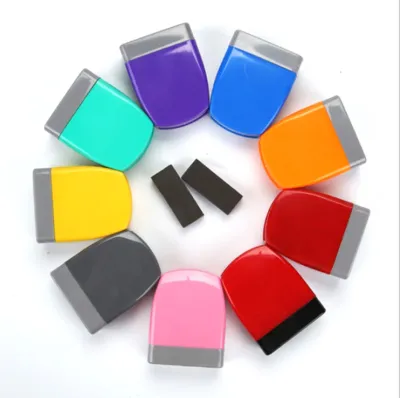
23 Lazada user ratings
Got it in 2 days. The seller contacted me within hours after purchase to verify the details of the font and name. Very prompt and trustworth…Read full reviewShow less
Got it in 2 days. The seller contacted me within hours after purchase to verify the details of the font and name. Very prompt and trustworthy.
2nd time purchase. Fast delivery. Items were well packed. Seller gave extra ink pad and some stickers. Thank you!
Good quality and fast delivery! The font size is just nice :)
As advertised! Tks Seller
High recommended!
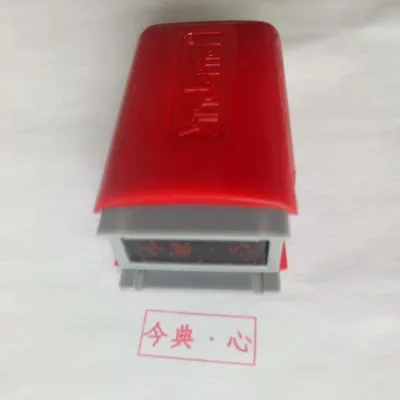
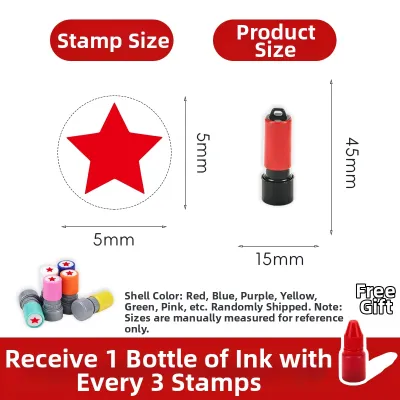
2 Lazada user ratings
The product is great and the service was very helpful!
The quality seems good after seeing it.
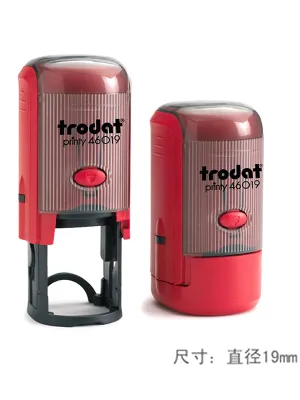
2 Lazada user ratings
works well! auto ink pad. bought for office use
10 Lazada user ratings
Poor quality. The metal parts a bit rusty n the word “Jan” unable to print out. U get date like : “ 16 2025” without the month “Jan” there. …Read full reviewShow less
Poor quality. The metal parts a bit rusty n the word “Jan” unable to print out. U get date like : “ 16 2025” without the month “Jan” there. Very disappointed 😭
Fast shipping and good service, Great for scrapbooking, Perfect for journaling, Compact size is convenient,
Nostalgic vibe is charming, Compact size is convenient, Great for scrapbooking, Retro design is cool,
doesn't really Ink well but good design
Prices are valid at publication and may change. Please refer to the product page for the latest price.
Conversely, there are several common household cleaning agents that you must strictly avoid. Alcohol-based cleaners, bleach, acetone, and industrial solvents are highly destructive to natural and synthetic rubber. These chemicals strip the plasticizers from the rubber compound, causing it to become brittle, crack, or even melt into a sticky, unusable mess. Abrasive scrubbers like steel wool or stiff plastic scouring pads should also be avoided, as they can shave off the delicate edges of your stamp’s design.
When gathering your supplies, consider the physical construction of your stamps. Traditional wood-mounted stamps require extra care because wood is highly porous and susceptible to water damage. Unmounted rubber sheets or cling stamps, on the other hand, can tolerate direct contact with water more easily, though they still require gentle handling to preserve their static cling backing.
Step-by-Step Guide to Washing Traditional Rubber Stamps
Washing traditional rubber stamps requires a delicate balance between removing stubborn ink and protecting the structural integrity of the stamp, especially if it is mounted on a wooden block. Follow these steps to ensure a safe and thorough clean.

Step 1: Wipe away excess wet ink immediately. As soon as you finish stamping, press the stamp repeatedly onto a scrap piece of paper or a dry, lint-free cloth. This removes the bulk of the wet ink before it has a chance to dry and settle into the deep recesses of the design, making the subsequent washing steps much easier.
Step 2: Prepare a shallow cleaning basin. Fill a small, shallow container with lukewarm water and add a single drop of mild dish soap. Stir the water gently with your finger to distribute the soap, creating a very mild soapy solution. Avoid creating excessive suds, as too much soap can be difficult to rinse off completely.
Step 3: Gently scrub the rubber surface. Dip your soft-bristled brush into the soapy water and gently brush the rubber face of the stamp using light, circular motions. If your stamp is mounted on a wooden block, hold the stamp face-down and apply the brush from below. This technique prevents soapy water from running up the sides of the rubber and soaking into the wood or dissolving the adhesive layer. Never submerge a wooden stamp block entirely in water, as this causes the wood to swell, warp, and eventually split.
Step 4: Rinse briefly and carefully. Hold the stamp face-down under a very gentle stream of cool, running tap water to wash away the soap and loosened ink. Keep the wooden block as dry as possible during this process. For unmounted rubber sheets, you can rinse them more freely, but ensure the water pressure is low to avoid bending or tearing the delicate edges of the rubber.
Drying and Storing Stamps in Humid Climates
Proper drying and storage are critical to preventing mold, warping, and rubber degradation, particularly in humid climates. Once your stamps are clean, gently pat the rubber surface with a dry, lint-free microfiber cloth to absorb the majority of the surface water. Avoid rubbing the cloth back and forth, as this can create friction and potentially snag delicate parts of the design.
After blotting, place the stamps face-down on a clean, dry towel to let any remaining moisture drain away from the mount. Never use external heat sources, such as hairdryers, radiators, or direct sunlight, to speed up the drying process. High heat dries out the rubber compound rapidly, leading to micro-cracking and loss of elasticity, while direct sunlight can warp wooden blocks and degrade the adhesive backing.
In humid environments, storing stamps requires extra vigilance to prevent mold growth and wood rot. Ensure your stamps are completely dry before placing them in any storage containers. Storing even slightly damp stamps in airtight plastic bins can trap moisture, creating a breeding ground for mold that can ruin both the wood and the rubber.
Store your clean, dry stamps in a cool, dark place away from direct sunlight and fluctuating temperatures. A drawer, a dedicated craft cabinet, or a breathable storage box works best. If you use clear plastic organizers, consider adding a small packet of silica gel to absorb any ambient humidity and keep the storage environment dry.
Deep Cleaning and Removing Stubborn Ink Stains
Despite regular maintenance, some highly pigmented or permanent solvent-based inks can leave stubborn stains on your rubber stamps. While staining is normal and often does not affect the quality of future impressions, a buildup of dried ink can eventually clog the fine details of the design.
To tackle these stubborn stains, use a specialized, water-based stamp cleaner formulated specifically for rubber. Apply a small drop of the cleaner directly to the stained area and let it sit for the manufacturer’s recommended contact time—usually no more than a minute. Gently work the solution into the crevices with your soft brush, then wipe it away with a damp cloth. Alternatively, a slightly dampened melamine sponge can be used with extreme caution; apply very light pressure, as the micro-abrasive nature of the sponge can wear down the rubber if used too aggressively.
Before applying any deep-cleaning method, always check the manufacturer’s care instructions, especially if you are working with specialty rubber blends or polymer-based stamps. Some modern stamps are made of hybrid materials that react differently to cleaning agents than traditional red vulcanized rubber.
Recognize when to stop cleaning. If you notice signs of rubber degradation, such as the surface becoming sticky, crumbly, or flaking, stop immediately. Forcing a stain out of a degrading stamp will only cause permanent damage; in such cases, it is best to accept the cosmetic staining or consult the manufacturer for specific material advice.
Routine Maintenance for Long-Lasting Stamp Performance
Establishing a quick, routine maintenance habit during your crafting sessions is the best way to minimize the need for aggressive deep cleaning. The most important rule of stamp care is to clean your stamps immediately after use. Fast-drying solvent inks and heavy pigment inks become significantly harder to remove once they dry completely on the rubber surface.
For quick cleanups between color changes or at the end of a short crafting session, use a dedicated stamp scrubber pad. These pads feature dual-sided textured surfaces: one side is dampened with a mild, water-based cleaning solution to scrub away ink, while the dry side is used to blot the stamp clean. This method is fast, efficient, and keeps your workspace dry.
Periodically inspect your stamp collection for signs of age and wear. Check the rubber for dryness, loss of elasticity, or hardening. If you notice the rubber starting to feel stiff, storing it away from dry air drafts and keeping it in a temperature-controlled environment can help prolong its usable lifespan.
Frequently Asked Questions (FAQ)
Can I use baby wipes to clean my rubber stamps?
Yes, but only if you choose the right type of wipe. You must use water-based, alcohol-free, and fragrance-free baby wipes. Wipes that contain alcohol, heavy moisturizers, or oils can leave a slippery film on the rubber, which repels ink and ruins future impressions. Additionally, alcohol will dry out the rubber over time, leading to cracking. Always check the ingredient list to ensure the wipes are free of these damaging additives.
How do I clean a self-inking stamp without breaking the mechanism?
Cleaning a self-inking stamp requires a targeted approach to protect the internal mechanical parts. Never submerge the entire plastic casing or the internal metal springs in water, as this can cause rusting and mechanical failure. Instead, press the mechanism down slightly to lock the rubber die in the exposed position. Use a damp, lint-free cloth or a cotton swab dipped in soapy water to clean only the rubber surface, then wipe it dry before releasing the mechanism back into the housing.
Is it safe to use rubbing alcohol on clear polymer stamps?
No, rubbing alcohol should not be used regularly on clear photopolymer stamps. While traditional red rubber is somewhat resilient, clear polymer is highly sensitive to chemical solvents. Frequent exposure to rubbing alcohol will strip the moisture from the polymer, causing it to turn yellow, become brittle, and eventually crack or lose its natural stickiness. Stick to mild dish soap and lukewarm water to keep your clear stamps clean and tacky.

Community discussion
Share your experience or ask a question. Comments are reviewed before publication.